
How to Remove Paint Protection Film from a Car
Paint Protection Film helps protect your car's paint from scratches, stone chips, and road damage. Over time, though, this film can fade, peel, or trap dirt along the edges.
24 December 20254 minute readAll 150 guides
Paint Protection Film helps protect your car's paint from scratches, stone chips, and road damage. Over time, though, this film can fade, peel, or trap dirt along the edges. When that happens, proper removal becomes essential to protect the original paint underneath.
Removing paint protection film the right way prevents paint damage, sticky residue, and surface marks. This guide explains how paint protection film is removed, common mistakes to avoid, and when professional help from a car repair service in Abu Dhabi makes the most sense.
Why Paint Protection Film Needs Removal
Paint protection film does not last forever. Heat, sunlight, sand, and regular washing slowly break it down. Common reasons for removal include:
- Yellowing or discoloration
- Cracked or peeling edges
- Trapped dirt under the film
- Preparing the car for resale or repainting
- Replacing old film with a new layer
In Abu Dhabi conditions, intense sun exposure can speed up film aging. That makes careful removal even more critical.
Can You Remove Paint Protection Film Yourself?
Yes, paint protection film can be removed at home if it is still in good condition and not bonded too strongly. However, older film or poorly installed film can tear into small pieces and leave adhesive behind.
DIY removal works best when:
- The film is less than five years old
- The paint underneath is factory original
- The film has not fully hardened
If the film resists removal or the adhesive stays on the surface, professional Paint Protection Film removal is safer for your paint.
Tools Needed for Safe Removal
Before starting, prepare the right tools:
- Heat gun or hair dryer
- Microfiber towels
- Plastic trim tool or soft scraper
- Automotive adhesive remover
- Mild car shampoo and water
Never use metal blades or sharp tools. These can permanently damage the paint.
Step-by-Step: How to Remove Paint Protection Film
Step 1: Wash the Car
Start with a clean surface. Dirt trapped under the film can scratch paint during removal. A proper wash or light Car Detailing helps reduce this risk.
Step 2: Apply Gentle Heat
Use a heat gun or hair dryer on a low setting. Warm a small section of the film. Heat softens the adhesive and makes peeling easier.
Step 3: Lift the Edge Slowly
Use your fingers or a plastic trim tool to lift one corner. Pull the film back slowly at a low angle. Do not rush.
Step 4: Peel in Sections
Work in small sections. Apply more heat if the film resists. Pulling too fast can tear the film or pull paint on repainted panels.
Step 5: Remove Adhesive Residue
After the film comes off, adhesive may remain. Use an automotive adhesive remover and a microfiber cloth. Wipe gently until the surface is clean.
Step 6: Wash and Inspect
Rewash the area and inspect the paint. Light polishing may be needed if the surface looks dull or uneven.
Common Mistakes to Avoid
Removing paint protection film incorrectly can damage your vehicle. Avoid these mistakes:
- Pulling film without heat
- Using razor blades or metal scrapers
- Removing film in direct sunlight
- Using household chemicals not meant for paint
- Ignoring adhesive residue
If the film breaks repeatedly or leaves heavy glue marks, stop and seek professional help.
When Professional Removal Is the Better Choice
Professional removal is recommended when:
- The film is very old or brittle
- Adhesive is hardened onto the paint
- The car has repainted panels
- You want a flawless finish
At Al Zaabi Autocare, trained technicians use controlled heat, safe chemicals, and proper tools to remove film without harming the paint. This is especially important for luxury and high-value vehicles.
What Happens After Film Removal?
Once the film is removed, the paint may need extra care. Standard follow-up services include:
- Car Polish to restore gloss
- Car Ceramic Coating for long-term protection
- Fresh Paint Protection Film installation
- Light correction during Car Detailing
These steps help restore the paint and protect it from future damage.
Is Repainting Needed After Film Removal?
In most cases, repainting is not required. Properly removed film leaves factory paint intact. However, if the film is applied over damaged paint or repainted panels, peeling may expose weak areas.
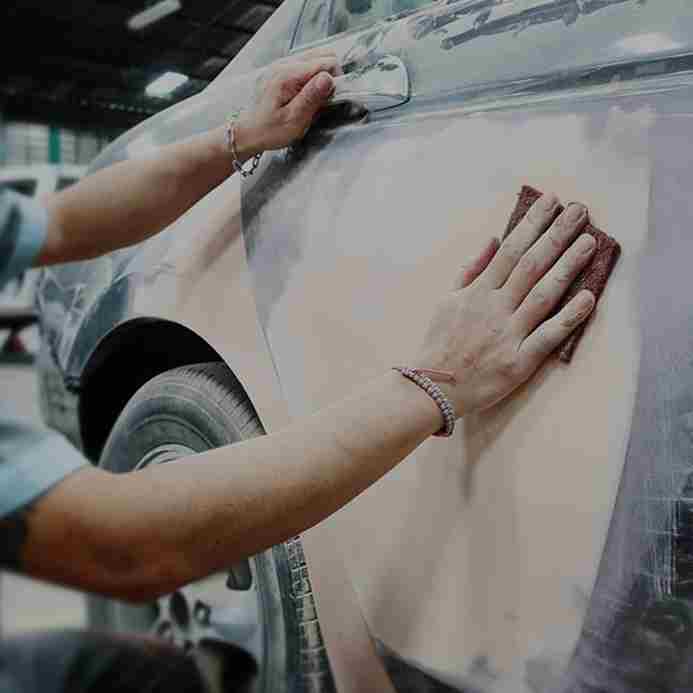
If paint correction or refinishing is required, Car Painting services can restore the surface evenly.
How Long Does PPF Removal Take?
The time depends on the condition of the film:
- Newer film: 1 to 2 hours
- Older or hardened film: 3 to 5 hours
- Complete vehicle coverage: Half day or more
Professional removal saves time and reduces risk compared to repeated DIY attempts.
Maintaining Your Paint After Removal
To keep your paint looking fresh:
- Avoid washing the car for 24 hours
- Do not expose fresh surfaces to harsh sunlight immediately
- Apply protective coating or ceramic sealant
- Schedule regular Car Detailing sessions
This ensures your paint stays smooth and protected.
Conclusion
Removing paint protection film from a car requires patience, heat control, and the proper technique. While some newer films can be removed at home, older or damaged film often needs professional handling to avoid paint damage.
For safe, clean, and damage-free removal, Al Zaabi Autocare provides expert film removal, surface restoration, and paint protection solutions. Whether you plan to reapply film, polish the paint, or add ceramic protection, proper removal is the first step to keeping your car looking its best in Abu Dhabi's demanding climate.
Car Painting at Al Zaabi Autocare
Paint is matched by code and by eye, then blended into the surrounding panels so the repair does not stand out. Work is done in a controlled booth and finished with a machine polish.
- Computerised colour matching
- Single panel and full respray
- Bumper and trim refinishing
- Blending into adjacent panels
Other Body and paint Guides
Think this is what your car is doing?
Bring it in and we will tell you. Free 360-degree health check and a written quote before any work starts.
- Where we are
- Plot no 69, Mussafah M-37, Abu Dhabi, UAE
- Opening hours
- Mon to Sat 9:00 AM to 10:00 PM
Sunday 9:00 AM to 7:00 PM