Engine Mount Replacement
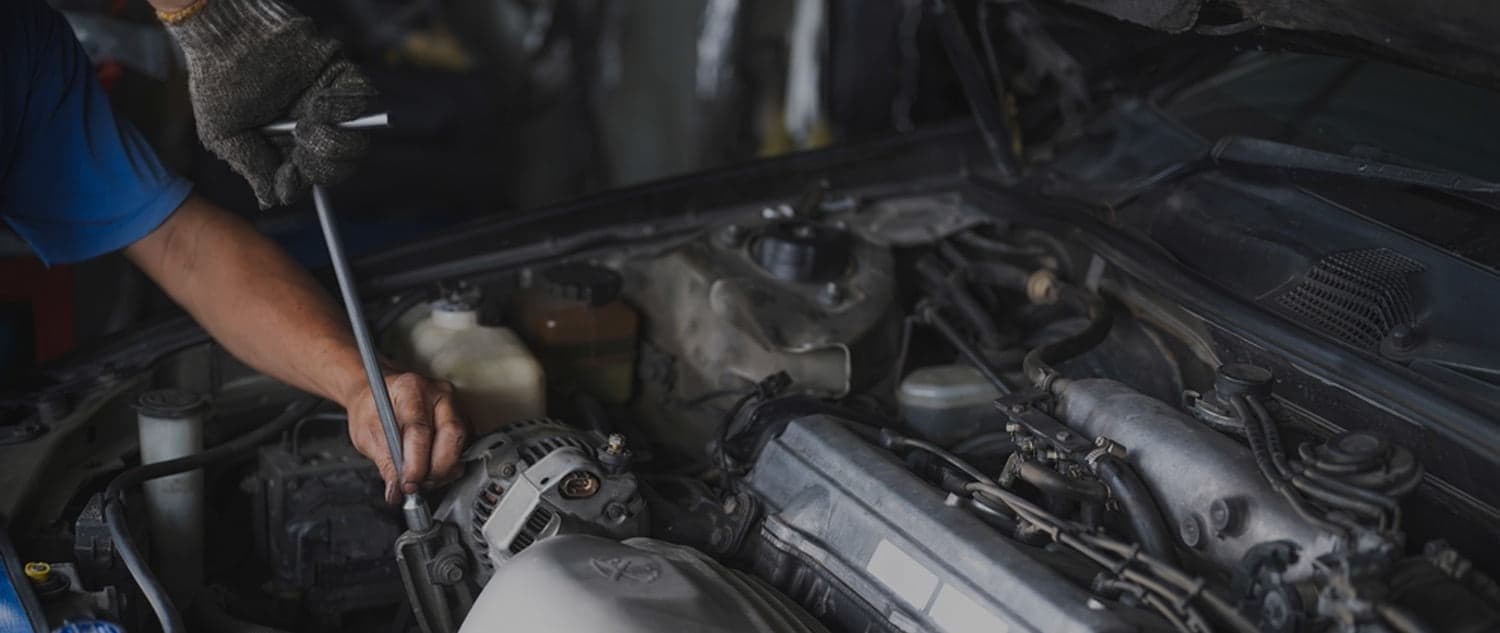
Worn or broken engine mounts can cause vibrations and noises. We replace them with OEM-quality mounts for smooth engine operation.
Stops the vibration through the cabin at idle and in gear, at our workshop in Mussafah, Abu Dhabi.
Tell us what the car is doing. We call back with the scope and a price before any work starts.
Feeling vibrations, noise, or shaky rides? Al Zaabi Autocare offers fast, professional car Mount Replacement in Abu Dhabi, using certified techniques and genuine parts for smooth, safe driving every time.
Open the full list below for everything a engine mount replacement covers at Al Zaabi Autocare Autocare, and what each part of it involves.
Worn or broken engine mounts can cause vibrations and noises. We replace them with OEM-quality mounts for smooth engine operation.
Damaged transmission mounts affect gear shifting and stability. We install high-quality replacements to restore proper transmission alignment.
Hydraulic mounts help absorb engine vibrations. We carefully replace fluid-filled mounts for luxury cars like BMW, Audi, and Lexus.
We check for cracks, wear, or loosened bolts. Early detection prevents excessive engine movement and costly repairs.
We provide mounts for all car types, including SUVs, sedans, and performance vehicles. Every replacement meets brand-specific torque and alignment standards.
High-end cars require precise mounting. We follow manufacturer guidelines to protect sensitive engines and maintain smooth driving.
Heavy-duty mounts for large vehicles are replaced with robust, durable parts. This ensures stable handling on city roads and long trips.
We specialise in replacing engine and transmission mounts safely. Each service protects your vehicle from further damage and maintains ride comfort.
Proper mount replacement restores stability and prevents future repair costs.
At Al Zaabi Autocare, we keep the process simple:
Full check of engine and transmission mounts.
Identify damaged, worn, or misaligned mounts.
Remove old mounts and install OEM or approved parts.
Check engine and transmission positioning. Ensure smooth operation.
Confirm vibration reduction and proper torque on all mounts.
Complete check with service.
Engine & Transmission Mount Package
Special pricing for larger vehicles.
Limited-time offers, contact us for details.
Full inspection included.
Tell us the car and what it is doing. You get a free 360-degree health check and a written price before any work starts, at Plot no 69, Mussafah M-37, Abu Dhabi, UAE.
Look out for these warning signs:
Felt in the cabin or steering wheel.
When accelerating or shifting gears.
Noticeable rocking under the hood.
The car shakes on smooth roads.
Difficulty shifting due to misalignment.
On tyres or engine components.
From friction due to a misaligned engine.
If you notice any of these signs, call our experts or visit our workshop immediately. Early replacement prevents damage to the engine, transmission, and other components.
German, American, Italian, British, Japanese, Korean and Asian marques, from a daily Corolla to a Rolls Royce.
Not listed? Send us the make and model and we will confirm the same day.
Unedited reviews from Google, the same ones you will find if you look up the workshop yourself.
1082 Google reviews
Newest reviews first.
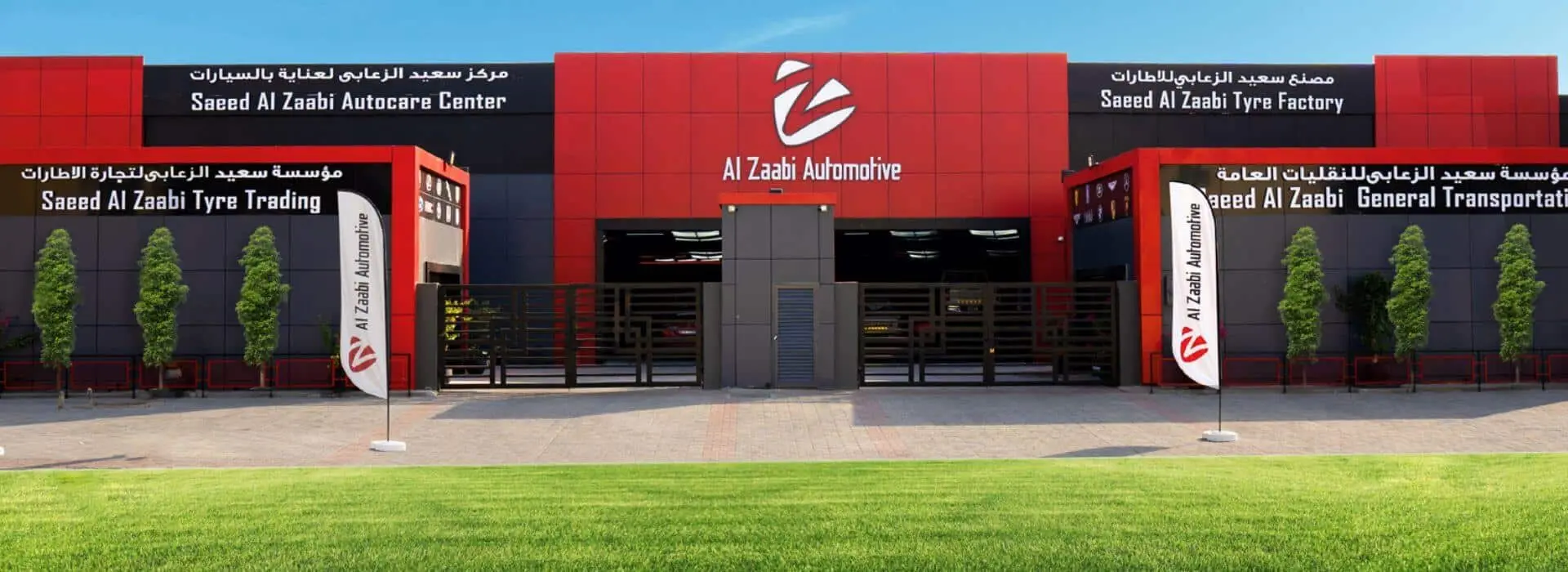
Plot 69, Mussafah M-37. Purpose-built bays, a body shop and a detailing bay under one roof.

The things drivers ask before booking a engine mount replacement in. If yours is not here, call the workshop and ask.
Most replacements take 2 to 5 hours, depending on vehicle type and mount location. Complex or luxury vehicles may take slightly longer due to precise alignment requirements.
No. It may worsen engine or transmission damage. Driving with faulty mounts can also cause vibrations that affect steering and safety.
Yes. We follow brand-specific procedures for all vehicles. Our team is trained on German, Japanese, American, and luxury car specifications.
We use OEM or high-quality approved mounts for durability. This guarantees a proper fit and reduces premature wear.
Yes. We follow precise manufacturer guidelines. Special attention ensures performance and prevents damage to sensitive components.
Yes. Proper alignment helps engine operation. A well-mounted engine reduces energy loss and improves overall performance.
Yes. Our roadside team responds quickly to urgent mount issues. We provide support to avoid further damage and keep you safe.
Yes. Excessive engine movement can trigger sensors. Replacing mounts helps prevent false warnings and system errors.
Mounts should be checked at least once a year or every 20,000 km. Frequent inspections catch early signs of wear before major issues occur.
Costs can be slightly higher due to heavier-duty mounts. However, we offer competitive pricing and packages for larger vehicles.
Free health check and a written quote before any work starts. Tell us the car and the symptom, and we will come back with the scope and the price.