
Repainting an old car is one of the most effective ways to restore its appearance and increase its value. A fresh coat of paint can make even a 10- or 15-year-old car look brand new. While some car owners consider a full paint strip, painting over existing paint can be a practical and cost-effective solution if done correctly.
Whether your vehicle has scratches, faded paint, minor rust, or a worn-out finish, repainting over the existing layer can save time and reduce costs. However, it requires proper preparation, the right materials, and a careful painting process to ensure a smooth and long-lasting finish.
In this guide, we’ll explain the full process of painting over existing paint, tips for a flawless finish, common mistakes to avoid, and when professional car repair services in Abu Dhabi are the best choice for optimal results.
1. Assess the Condition of Your Existing Paint
Before starting, it’s important to evaluate the condition of your car’s current paint. Look for:
- Peeling, flaking, or bubbling paint
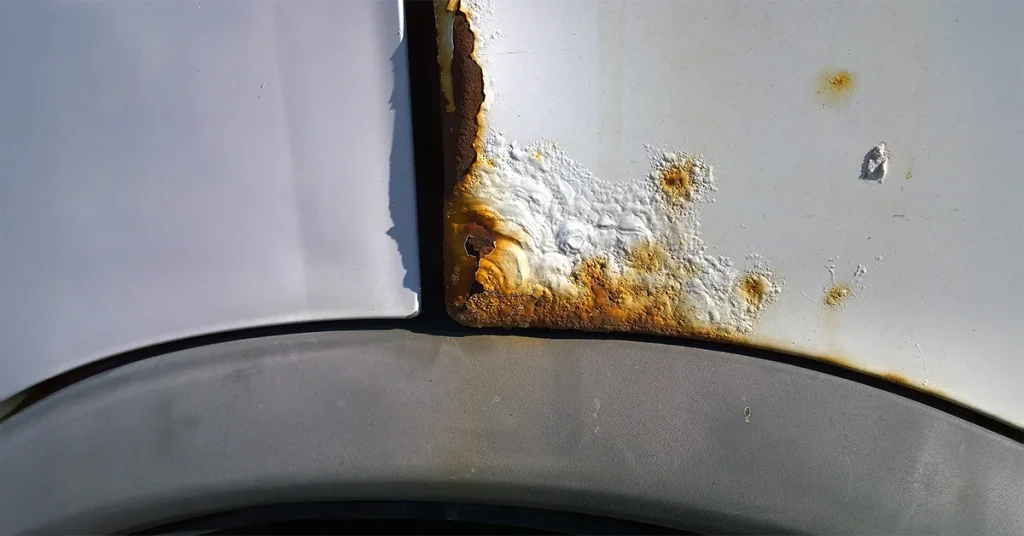
- Rust spots or corrosion
- Deep scratches or dings
- Faded or oxidized sections
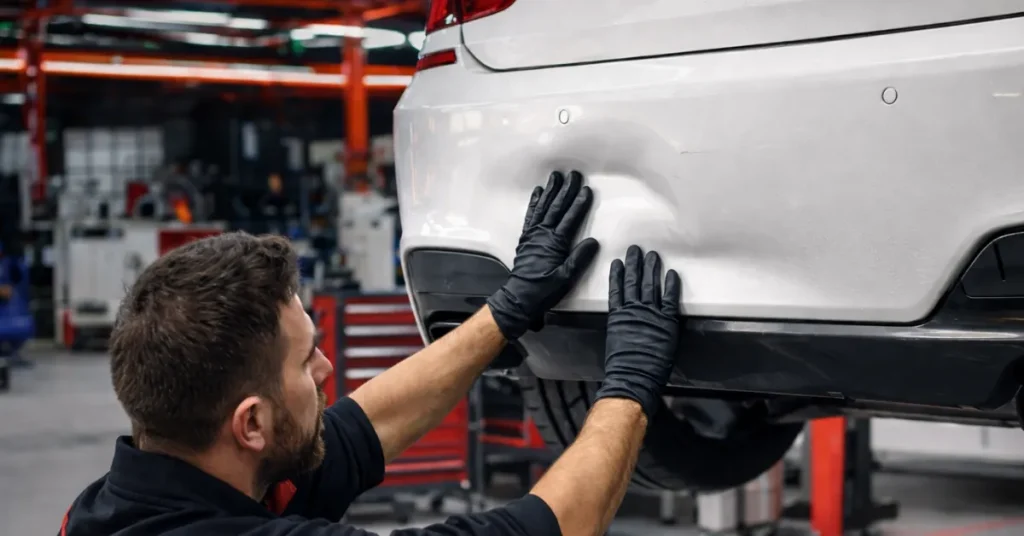
Any damaged areas must be addressed first. Small dents or scratches can be repaired through dent repair, while rust or body damage is best handled at an auto body shop. Painting directly over damaged surfaces will reduce adhesion and compromise the quality and durability of the finish. Proper preparation ensures the new paint bonds effectively and lasts longer.
2. Clean and Prepare the Car Surface
Surface preparation is key to a smooth paint job. Steps include:
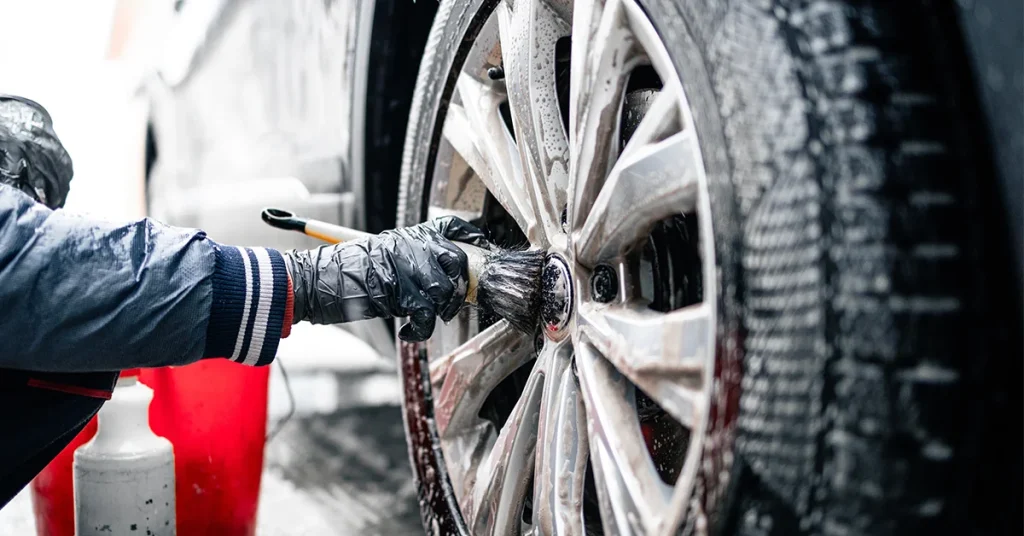
- Wash the car thoroughly using automotive soap to remove dirt, grease, and contaminants.
- Dry completely with a microfiber cloth to avoid water spots.
- Degrease stubborn areas using an automotive degreaser for a clean, oil-free surface.
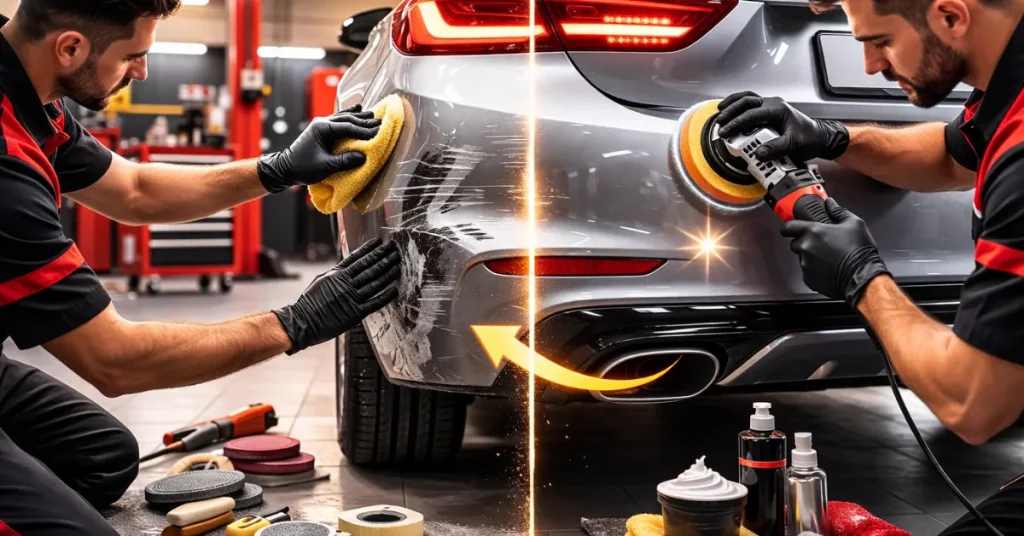
- Sand the existing paint lightly with 400–600 grit sandpaper. This roughens the surface for better adhesion of the new paint.
- Remove sanding dust with a tack cloth or lint-free cloth to avoid imperfections in the paint finish.
Proper preparation is the foundation for a successful repaint. Skipping this step is a common mistake that leads to peeling, bubbling, or uneven paint.
3. Repairing and Priming
After surface prep, repairing imperfections and applying primer is critical:
- Repair dents and scratches using filler and sanding for a smooth surface.
- Apply primer compatible with your paint type. Primer helps the new paint adhere better and ensures even color coverage.
- Multiple thin coats of primer are better than one thick coat, and each coat should be allowed to dry fully.
Priming is particularly important when repainting over faded or dark-colored paint. Professional services like car painting use high-quality primers for long-lasting adhesion and finish.
4. Applying the Paint
Once the primer is ready, the actual painting process begins. Tips for a professional finish include:
- Use high-quality automotive paint suited for your vehicle type.
- Apply multiple thin coats, allowing each layer to dry properly before applying the next.
- Keep a steady hand or use a spray gun to prevent streaks and uneven layers.
- Maintain proper distance and consistent speed while spraying to achieve an even coating.
5. Applying Clear Coat
A clear coat protects the paint and adds depth and shine:
- Apply 2–3 thin layers of clear coat.
- Allow the clear coat to dry fully between layers to avoid drips or bubbles.
- Clear coating enhances UV protection, prevents fading, and increases the lifespan of your paint.
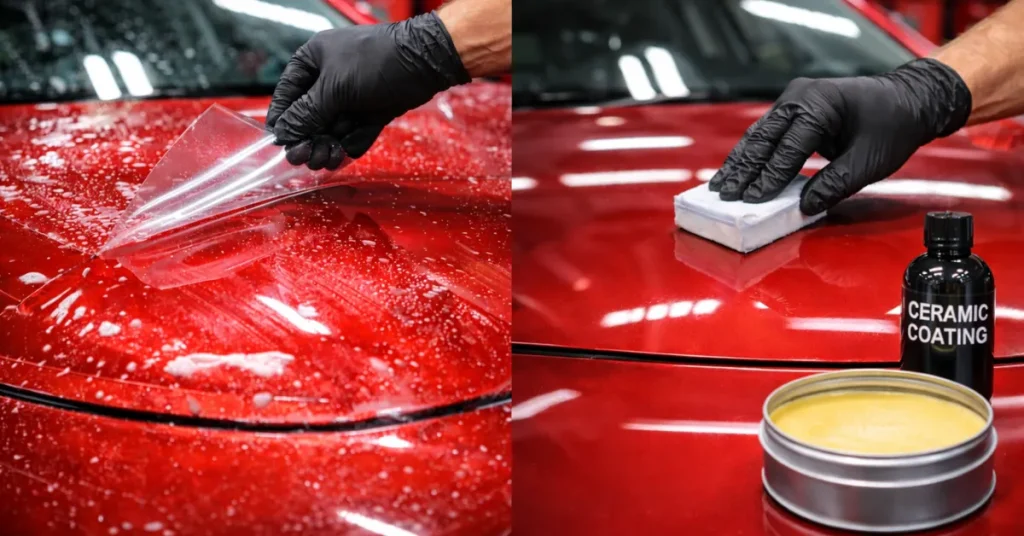
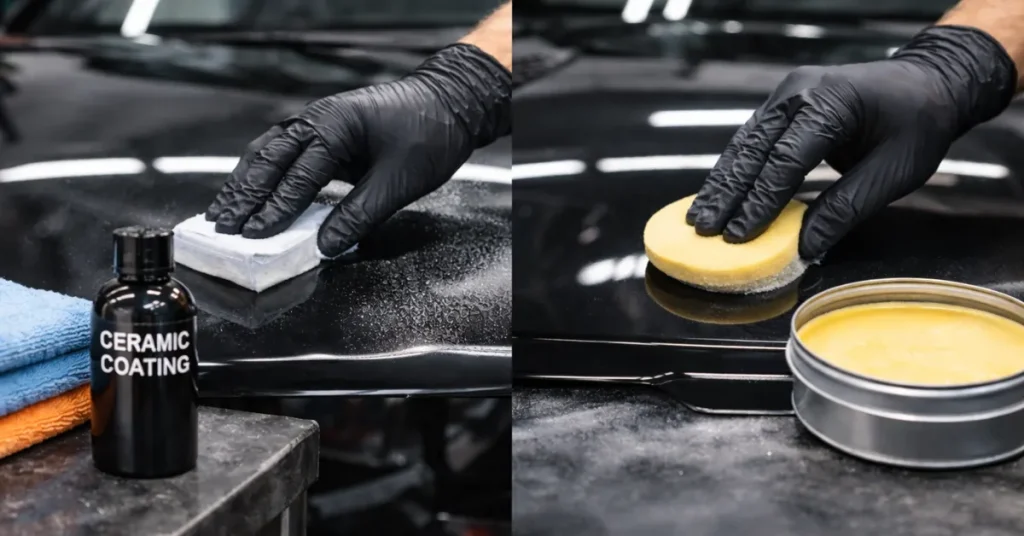
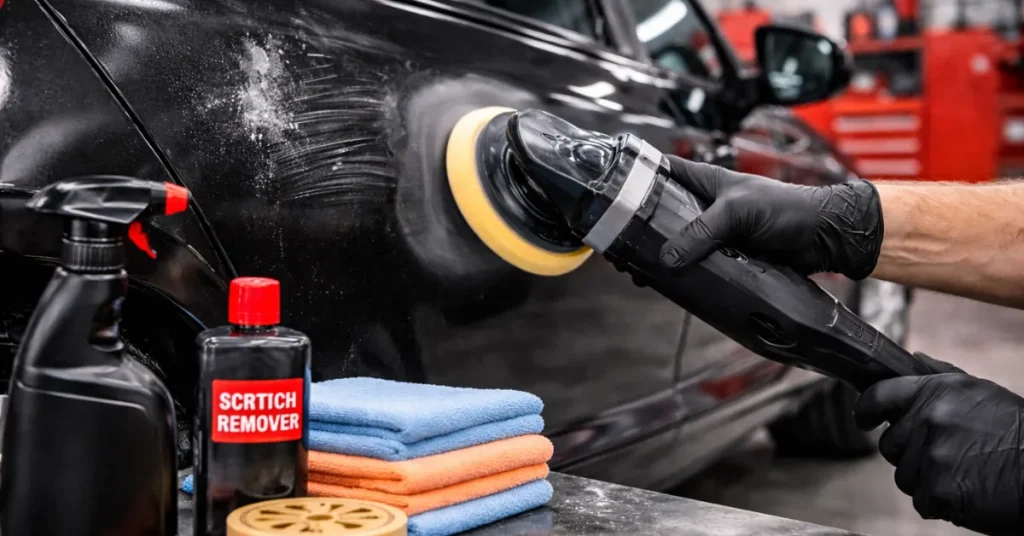
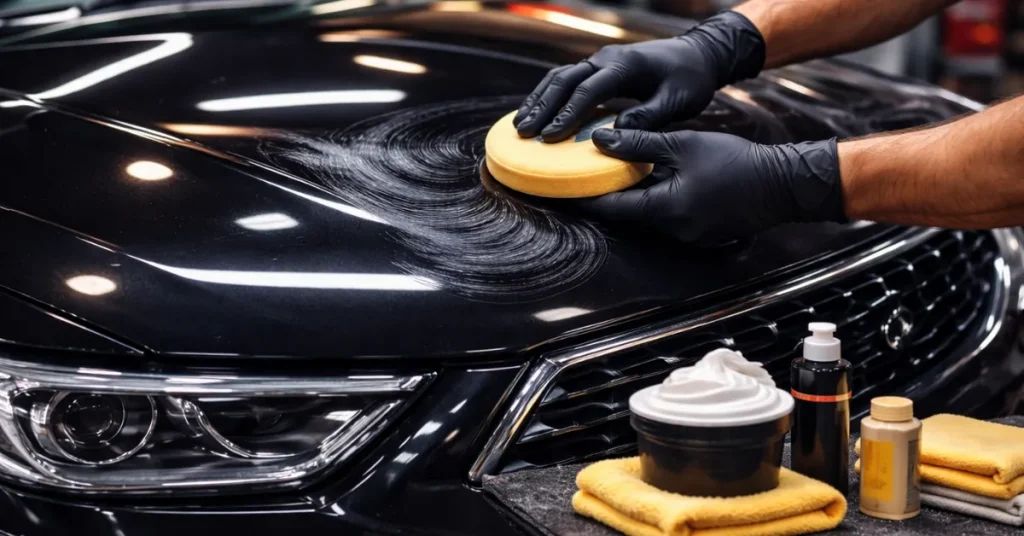
After the clear coat dries, professional finishing services like car polish or car ceramic coating can further enhance protection and create a glossy, showroom-quality look.
6. Drying and Curing
Proper drying and curing are essential for paint durability:
- Avoid washing the car for at least 48 hours after painting.
- Keep the car in a dust-free, shaded area to prevent dirt or debris from sticking to wet paint.
- Polishing or buffing should only be done after the paint is fully cured.
Rushing the drying process can damage the finish and create uneven gloss or peeling. Allowing the paint to cure fully ensures a long-lasting result.
Common Mistakes to Avoid
When painting over existing paint, avoid these common errors:
- Skipping sanding or primer
- Applying paint too thickly
- Not allowing adequate drying time between coats
- Painting over rust without proper treatment
- Ignoring professional inspection for old cars with hidden damage
Even small mistakes can lead to peeling, bubbling, or uneven color, which is why many car owners trust professional services.
Benefits of Professional Services
While DIY painting is possible, professional services guarantee superior results:
- Experts at Al Zaabi Auto Care inspect your car and prepare surfaces precisely.
- High-quality equipment ensures smooth, even paint layers.
- Color matching is done professionally to restore the original look or apply a custom color.
- Optional finishing services like car ceramic coating and car polish add long-term protection and shine.
Professional help also reduces the risk of costly mistakes and ensures your car maintains its value.
Maintenance After Painting
Once your car is freshly painted:
- Wash gently using mild soap and microfiber cloths.
- Avoid harsh chemicals that can damage the paint.
- Schedule regular car minor service to inspect the body and paint condition.
- Consider a car service contract to maintain overall vehicle health, including bodywork, paint, and engine care.
Regular maintenance ensures your new paint lasts for years and keeps your car looking its best.
Conclusion
Painting an old car over existing paint is an effective way to refresh its appearance without the high cost of stripping old layers. Key steps include assessing the existing paint, repairing damage, sanding, priming, painting, applying clear coat, and proper curing.
Whether you want to restore a faded vehicle or achieve a new custom look, trusting experienced technicians ensures a smooth, durable, and high-quality finish.
With proper preparation, high-quality materials, and professional guidance, repainting your car can transform its appearance, protect the body, and increase its value for years to come.