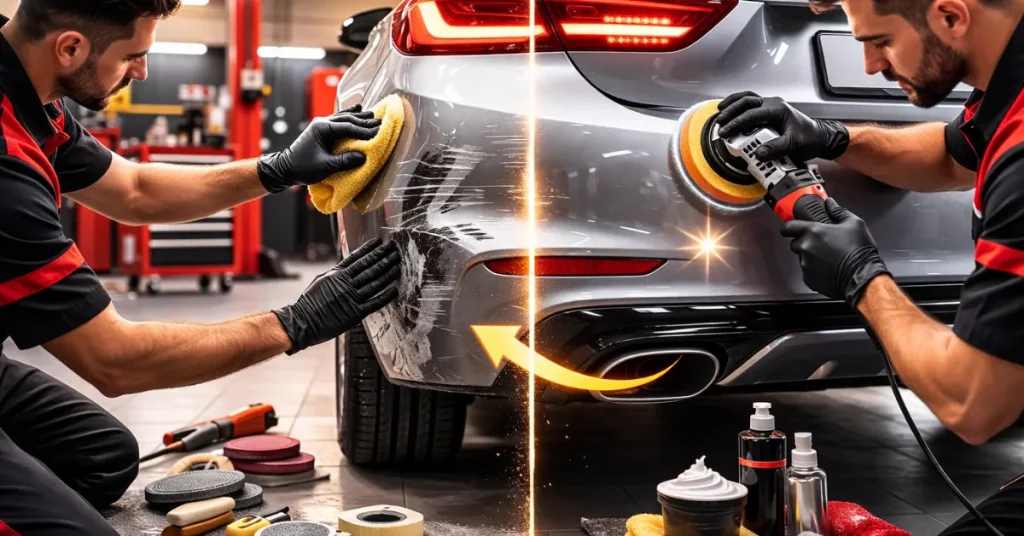
Small scratches and swirl marks can make your car look dull. These marks also reduce your car’s value. Many people wonder if they can fix these small marks themselves using just car polish.
Car polish works by smoothing out the paint to fix minor damage. While polish works well for light marks, deeper scratches may require professional assistance. Using the right tools and extra treatments can make the paint look even better. Keeping the surface smooth and shiny is the best way to protect your car and keep it looking new for a long time.
How Car Polish Works
Car polish helps smooth out your car’s paint. It has tiny, gritty bits that gently rub away a very thin layer of the top paint. This process hides small scratches and swirl marks. It makes the car look shiny and bright again, almost like it is brand new.
In Abu Dhabi, professional shops use specialised tools and techniques to achieve the best shine. You can fix very small marks at home, but experts are better at making the whole car look perfect. They also know how to polish the paint without causing damage.
Types of Scratches and Their Fixability
Not all scratches can be removed with polish alone. Understanding the type and depth of the scratch helps determine whether DIY methods are sufficient or if professional care is required.
- Surface Scratches:
These affect only the clear coat and are easiest to fix with polish. They do not reach the underlying paint layer and can often disappear completely when properly treated. - Paint Layer Scratches:
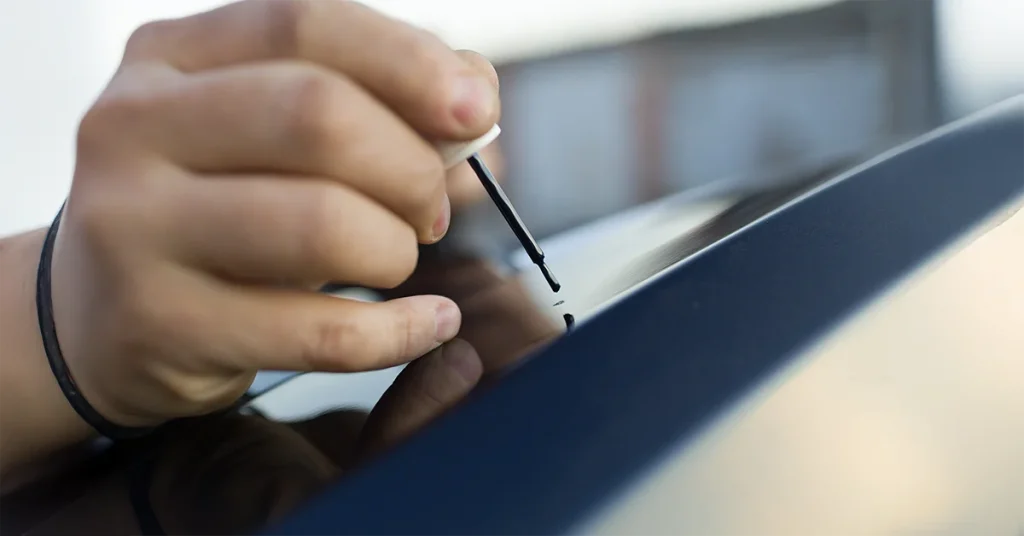
Scratches that penetrate the clear coat into the paint are more visible. Polishing can reduce their appearance, but professional car painting may be necessary to achieve a smooth finish. - Primer or Metal Scratches:
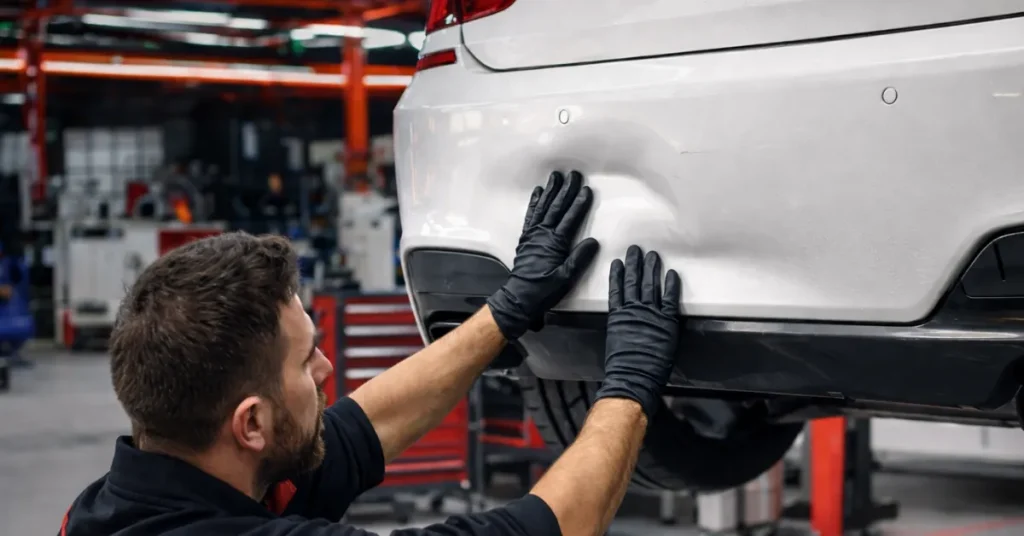
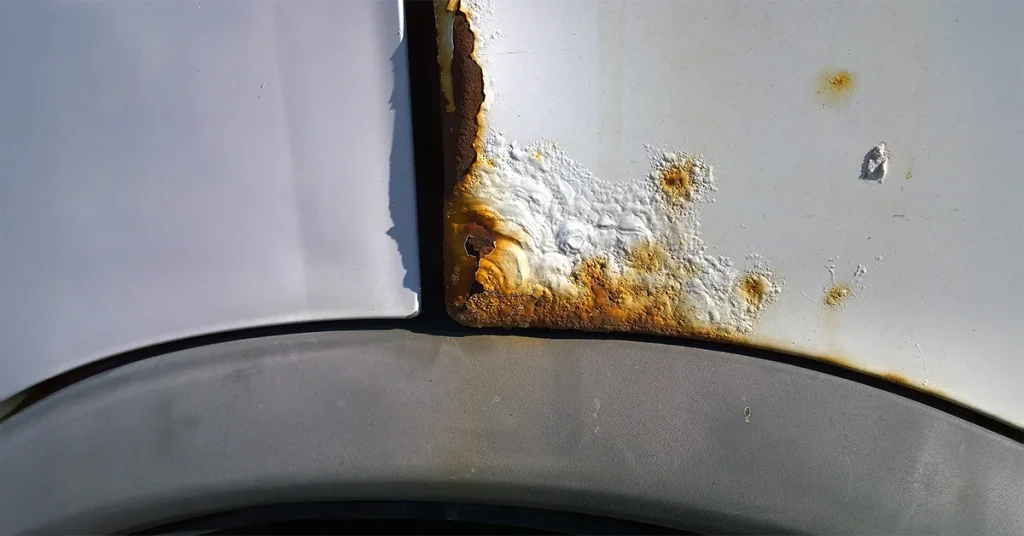
These reach the primer or metal underneath the paint. DIY polishing cannot restore these scratches, and professional dent repair or repainting is usually required.
By identifying the type of scratch early, car owners can choose the right solution and prevent further paint deterioration.
DIY Car Polish: Step-by-Step Application
For minor scratches, you can try polishing your car at home. Below are detailed steps to ensure proper results without causing additional damage.
- Clean the Surface
Wash your car thoroughly to remove dirt, dust, and oil. A clean surface prevents paint scratches during polishing. - Apply the Polish
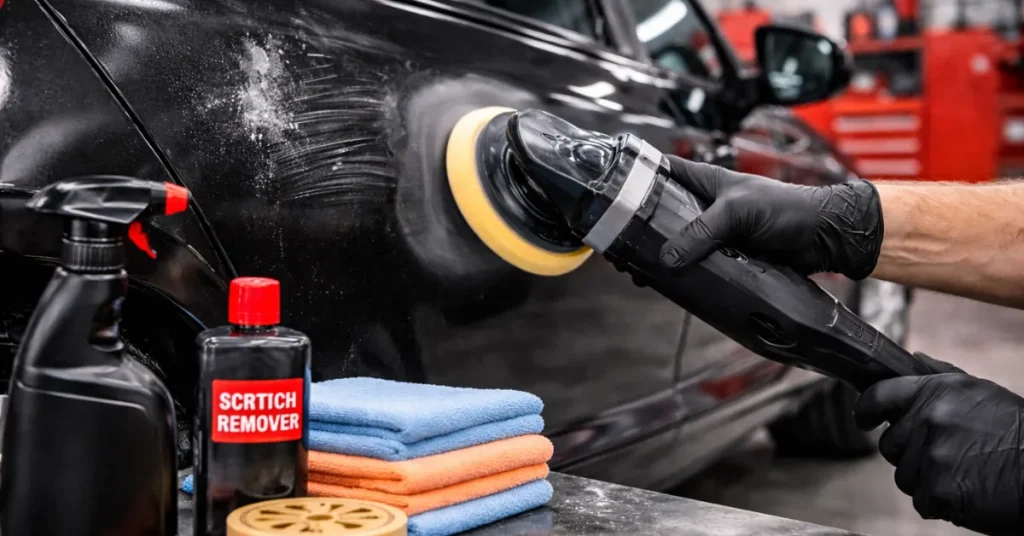
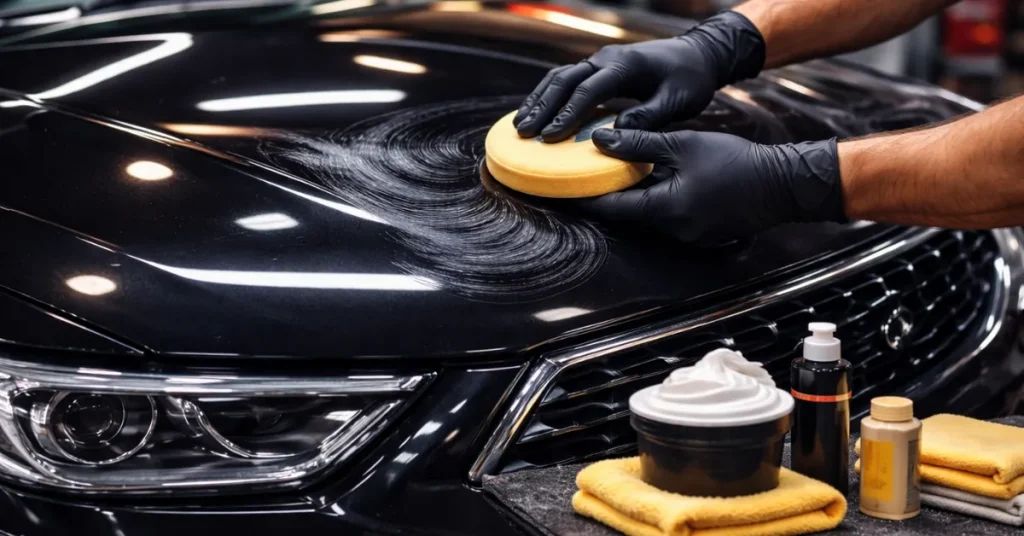
Use a microfiber cloth or dual-action polisher to apply the polish in small circular motions. Focus on one scratch or area at a time for even results. - Buff the Area
Wipe off excess polish with a clean microfiber cloth. Repeat the application if needed for deeper scratches. - Protect the Paint
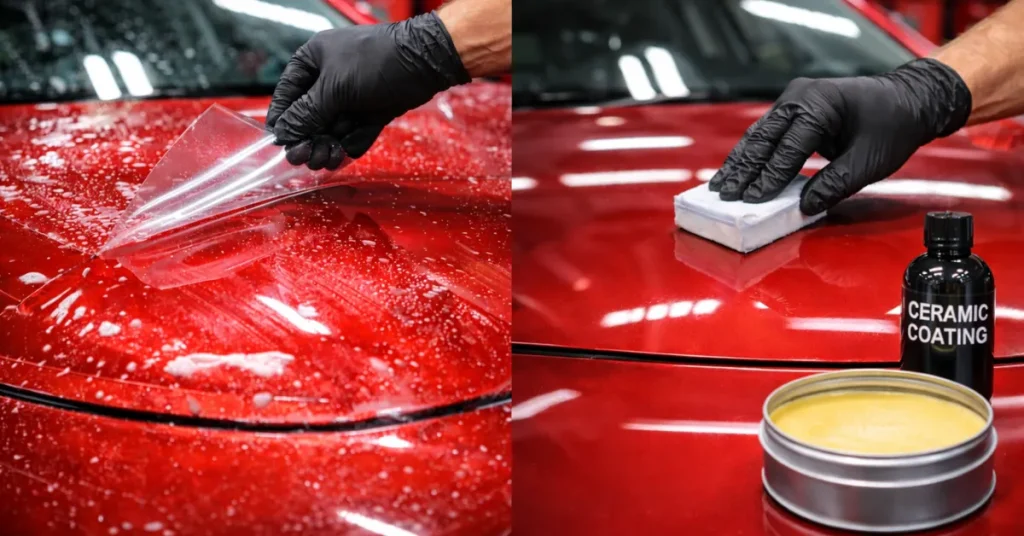
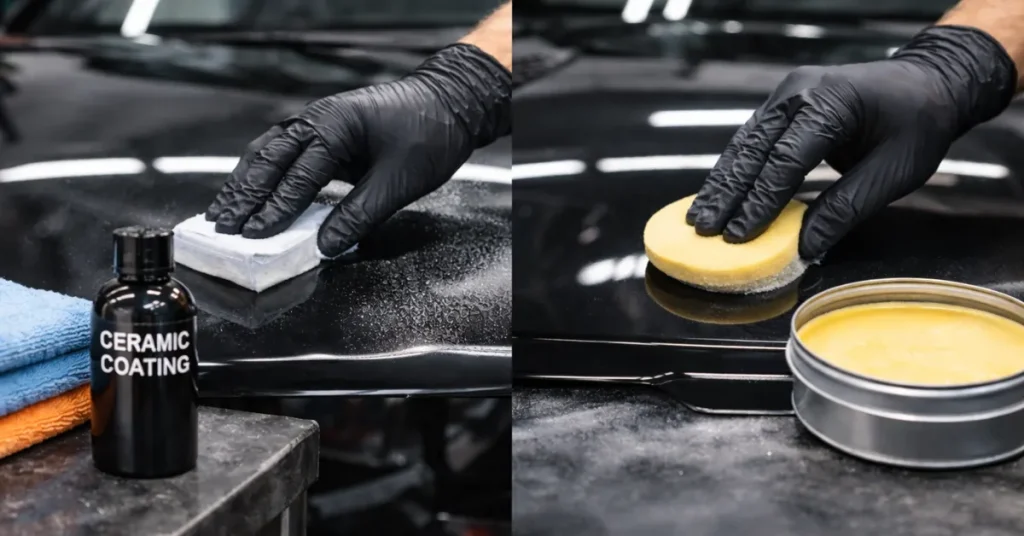
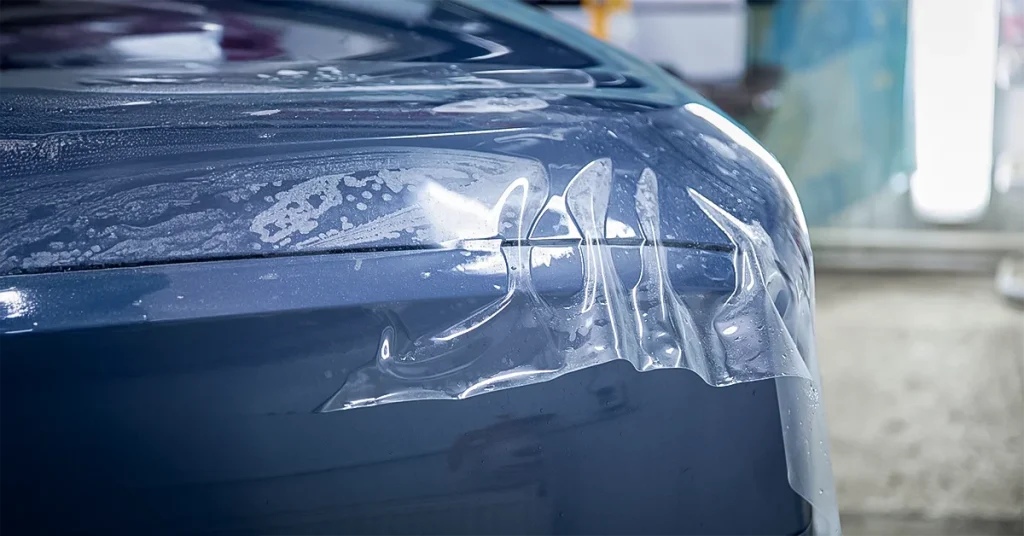
Finish with a layer of wax or professional car ceramic coating to seal the surface and extend the protection.
DIY polishing is effective for surface scratches, but deep scratches or multiple areas often require professional attention to restore the car’s factory finish.
When Professional Help Is Necessary
You can fix small scratches at home, but it is better to visit a car repair center for deep marks or big spots. Experts at a car shop in Abu Dhabi can make the whole car look the same. They use high-quality tools and special machines to shine the paint without causing any damage.
If the scratches are very deep or if there are dents in the metal, a professional body shop is the safest choice. These experts can fix the dents and repaint the area perfectly. This is the best way to make your car look brand new again.
Benefits of Using Car Polish
Car polish does more than just improve aesthetics. Proper application offers several practical benefits:
- Restores Gloss and Shine: Polishing removes surface imperfections, making your car look new.
- Protects Paint Layers: Smooth surfaces retain wax or ceramic coatings better, preventing environmental damage.
- Extends Vehicle Life: Regular polish and detailing protect the paint, preserving the car’s value.
- Cost-Effective Maintenance: Addressing scratches early with polish reduces the need for expensive repainting.
These advantages make regular polishing a vital part of car maintenance, especially in regions like Abu Dhabi, where sun, dust, and heat can accelerate paint wear.
Comparing Car Polish to Other Scratch Solutions
It’s important to know how car polish compares with other options:
- Polish vs. Wax: Wax only protects the surface; it does not remove scratches. Polishing prepares the paint for wax and enhances shine.
- Polish vs. Ceramic Coating: Coatings offer long-term protection, but the surface must first be polished for the coating to bond properly.
- Polish vs. Repainting: Repainting is permanent but expensive. Polishing is cost-effective for minor surface scratches and can delay the need for repainting.
Professional services can combine polishing with coatings or wax for maximum protection and aesthetic appeal.
Tips for Best Results
- Always use a clean microfiber cloth to avoid adding new scratches.
- Avoid applying excessive pressure during DIY polishing; let the abrasives do the work gradually.
- For deeper scratches, do not attempt DIY repairs; professional dent repair ensures a safe, lasting finish.
- Schedule regular car detailing to maintain a smooth surface and prolong paint life.
Following these tips reduces the risk of further paint damage and helps keep the car looking pristine.
Conclusion
Car polish is an effective way to remove or reduce minor scratches, swirl marks, and surface imperfections while restoring the vehicle’s shine. For deeper scratches or areas with significant paint damage, professional repair or repainting may be necessary to achieve lasting results.
Combining polishing with regular maintenance and protective treatments helps preserve the car’s appearance, protect the paint, and maintain its resale value over time. With consistent care, your vehicle can retain its smooth, glossy finish and look its best for years.