
Common Engine Problems in European Cars & How to Fix Them
European cars are known for strong performance and refined driving, but their engines are also complex. Many use turbochargers, direct fuel injection and lots of plastic parts that age faster in hot weather.
25 November 20267 minute readAll 134 guides
Quick Summary
The most common engine problems in European cars are oil leaks from gaskets and seals, cooling system failures, timing chain or belt wear, misfires from ignition coils and spark plugs, and carbon build-up on intake valves. Turbocharger, PCV valve and high-pressure fuel pump faults are also frequent. UAE heat and stop-start traffic speed up this wear. Most are fixed by replacing the worn part and correcting the root cause, and regular servicing catches them early.
European cars are known for strong performance and refined driving, but their engines are also complex. Many use turbochargers, direct fuel injection and lots of plastic parts that age faster in hot weather. Knowing the common weak points helps owners act early and avoid expensive damage.
The most common engine problems in European cars are oil leaks from gaskets and seals, cooling system failures, timing chain or belt wear, misfires from failing ignition coils and spark plugs, and carbon build-up on intake valves.
Turbocharger faults, crankcase ventilation (PCV) failures and high-pressure fuel pump problems are also frequent. Most of these can be fixed by replacing the worn part and correcting the root cause. Catching them early through regular servicing keeps repair costs much lower.
Why European Engines Develop These Problems
Modern European engines are built to be powerful yet fuel efficient. To do this, carmakers use small turbocharged engines, high-pressure direct injection and lightweight plastic parts. These designs work well, but they run hot and place more stress on seals, hoses and oil.
In the UAE, high temperatures and stop-start traffic add even more strain. Long oil change intervals can also let sludge and wear build up. Most problems are not design flaws on their own but wear issues that appear sooner when servicing is delayed or the car works hard in heat.
Common Engine Problems at a Glance
| Problem | Often seen in | Warning signs | Typical fix |
|---|---|---|---|
| Oil leaks | BMW, Mercedes, Audi, VW, Land Rover | Burning oil smell, drips, low oil level | Replace gaskets and seals |
| Cooling system failure | BMW, Audi, VW, Mercedes | Overheating, coolant smell, low coolant warning | Replace pump, thermostat, hoses or tank |
| Timing chain or belt wear | Some VW, Audi, BMW, Peugeot engines | Rattle on cold start, timing fault codes | Replace chain or belt kit |
| Misfires | Most turbo petrol engines | Shaking, flashing check light, power loss | Replace coils and spark plugs |
| Carbon build-up | Direct injection engines | Rough idle, hesitation, misfires | Walnut blasting or intake cleaning |
| Turbo problems | Turbo petrol and diesel engines | Whistling, smoke, loss of boost | Fix oil lines, wastegate or replace turbo |
| PCV valve failure | BMW, Mercedes, VW, Audi | Whistling, rough idle, oil use | Replace PCV valve or diaphragm |
| Fuel pump faults | Direct injection engines | Long cranking, stalling, low power | Replace high-pressure pump |
Oil Leaks From Gaskets and Seals
Oil leaks are one of the most common issues on European engines. Rubber gaskets on the valve cover, oil filter housing and oil cooler harden over time, especially in heat.
Once they crack, oil seeps out and can drip onto hot exhaust parts, creating a burning smell or even a fire risk. Some leaks also damage belts and wiring. The fix is to replace the failed gasket or seal with quality parts, after tracing exactly where the oil leaks start.
Cooling System Failures
Many European cars use plastic water pumps, thermostat housings, coolant pipes and expansion tanks to save weight. Heat cycles make these parts brittle, and they can crack without warning.
A failing electric water pump or thermostat can cause sudden overheating. Warning signs include a sweet coolant smell, white smoke, a rising temperature gauge or a low coolant message.
Repair involves replacing the failed part, flushing the system and refilling with the correct coolant. Quick action matters, because repeated engine overheating can warp the cylinder head and turn a small leak into a major repair.
Timing Chain and Belt Wear
Some European engines have known timing chain issues, where the chain stretches or the tensioner and guides wear out. This often shows as a rattle for a few seconds after a cold start, along with timing-related fault codes.
Certain small engines use a timing belt that runs inside the oil, which can wear and shed material if oil changes are delayed. Problems on one engine family recently led to a large Stellantis recall covering timing chain wear. The fix is a full chain or belt kit with new tensioners and guides.
Misfires From Coils and Spark Plugs
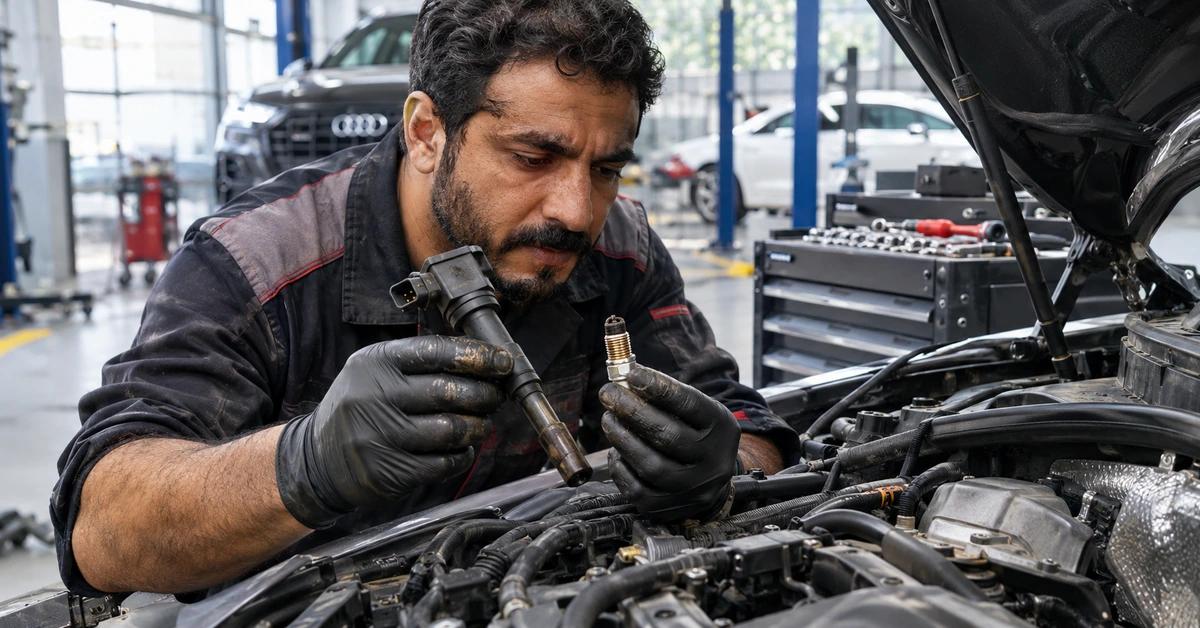
Turbocharged petrol engines put high stress on ignition parts. Ignition coils can crack or fail, and spark plugs wear faster under boost and heat. A misfire makes the engine shake, lose power and often flash the check engine light.
Ignoring it can overheat and damage the catalytic converter, which is a costly part. A diagnostic scan shows which cylinder is misfiring. Replacing the faulty coil and fitting new plugs of the correct type usually fixes it, although some engine misfires come from faulty injectors or vacuum leaks instead.
Carbon Build-Up on Intake Valves
Direct injection engines spray fuel straight into the cylinder instead of over the intake valves. This improves efficiency, but the valves are no longer washed clean by fuel. Oil vapour from the crankcase ventilation system slowly bakes onto them as carbon deposits.
Over time, this restricts airflow and causes rough idle, hesitation and misfires, often after 60,000 km or more. Fuel additives rarely remove these deposits. The proper fix is walnut blasting or a professional intake valve clean, followed by checking the PCV system to slow future build-up.
Turbocharger Problems
Turbochargers spin at very high speeds and rely on clean oil to stay cool and lubricated. Delayed oil changes, poor-quality oil or leaking oil feed lines can damage turbo bearings. Warning signs include a loud whistling or whining noise, blue or black smoke, loss of power and a limp mode warning.
Some engines also suffer from a rattling wastegate. Not every turbo fault needs a new turbo. Often, fixing an oil line, a boost hose or a wastegate actuator solves the problem. A full inspection confirms whether the turbo itself is worn.
Crankcase Ventilation and Fuel Pump Faults
The PCV system removes pressure and oil vapour from inside the engine. When its valve or diaphragm fails, the engine may whistle, idle roughly, use more oil or push oil past seals. Replacing the valve is usually quick and affordable.
High-pressure fuel pumps on direct injection engines can also wear, causing long cranking, stalling or low power under load. A scan tool reads fuel rail pressure to confirm the fault. Both problems are easier and cheaper to fix when caught early during regular servicing.
How to Prevent Engine Problems in European Cars?
Prevention is always cheaper than repair. Change engine oil on time using oil that meets the carmaker's approval code, and consider shorter intervals in UAE heat. Check coolant levels and hoses regularly, and replace plastic cooling parts at the first sign of leaks.
Use quality fuel and replace spark plugs at the correct interval. Listen for new noises on cold starts and act on warning lights quickly. A yearly inspection by technicians who know European engines catches most of these problems before they cause serious damage.
How Al Zaabi Autocare Fixes European Engine Problems?
Al Zaabi Autocare diagnoses and repairs engines for BMW, Mercedes, Audi, Porsche, Volkswagen, Range Rover and many other European brands. Technicians use computer diagnostics to read live data and fault codes, then confirm the cause before replacing parts.
The team handles oil leaks, cooling repairs, timing chain replacement, misfires, carbon cleaning and turbo work through its engine repair service. Every job comes with a clear quotation and a warranty on workmanship. Technicians see common BMW engine problems often enough to spot them early during routine checks.
Frequently Asked Questions
Are European cars less reliable than Japanese cars?
European cars are not always less reliable, but they are often more complex. They use more electronics, turbochargers and plastic parts, which need closer care. With regular servicing and early repairs, many European engines run well for a long time.
Why do European cars leak oil so often?
Their engines run hot and use many rubber gaskets and seals that harden over time. UAE heat speeds up this ageing. Replacing worn gaskets early with quality parts stops leaks from damaging belts, wiring or exhaust parts.
What causes a rattle when starting a European car?
A short rattle on cold start can point to a stretched timing chain or a worn tensioner. It should be checked quickly, because a failed chain can cause serious engine damage. A diagnostic scan and inspection confirm the cause.
How often should I change oil in a European car in the UAE?
Follow the carmaker's schedule, but many specialists suggest shorter intervals in UAE heat and city traffic. Always use oil that meets your engine's approval code, as the wrong oil can harm turbochargers and timing parts.
Can carbon build-up be prevented in direct injection engines?
It cannot be fully prevented, but it can be slowed. Regular oil changes, a healthy PCV system and occasional longer drives help. Most engines still need a professional intake valve clean after high mileage to restore performance.
Conclusion
European cars offer great driving, but their engines need careful attention, especially in UAE heat. Oil leaks, cooling failures, timing chain wear, misfires and carbon build-up are the most common issues.
Turbo, PCV and fuel pump faults also appear as engines age. Each problem has clear warning signs, and most are affordable to fix when caught early. For accurate diagnosis and lasting engine repairs on your European car, book a visit with Al Zaabi Autocare in Mussafah.
Car Engine Repair at Al Zaabi Autocare
From a misfire or a warning light through to a full rebuild. We diagnose first, quote in writing, and only then open the engine, so you are never paying to find out what is wrong twice.
- Computer diagnostics and compression testing
- Cylinder head and gasket work
- Timing belt and chain replacement
- Full engine overhaul and rebuild
Other Engine and exhaust Guides
Think this is what your car is doing?
Bring it in and we will tell you. Free 360-degree health check and a written quote before any work starts.
- Where we are
- Plot no 69, Mussafah M-37, Abu Dhabi, UAE
- Opening hours
- Mon to Sat 9:00 AM to 10:00 PM
Sunday 9:00 AM to 7:00 PM