
Engine Overheating: Causes, Prevention, and Solutions
Learn what causes engine overheating, the warning signs to watch for, what to do when the gauge hits red and how to prevent it in UAE heat.
11 July 2023Updated 17 November 20265 minute readAll 134 guides
Quick Summary
Engine overheating happens when the cooling system cannot carry heat away fast enough. Low coolant, a stuck thermostat, a failed radiator fan or a clogged radiator are the usual causes. Watch for a gauge in the red, steam, coolant leaks or a burning smell. This guide helps UAE drivers spot the causes early and prevent costly engine damage.
Engine overheating can turn a small cooling fault into a badly damaged engine. In the UAE, summer heat puts every cooling system under extra strain.
Engine overheating happens when the cooling system cannot remove heat fast enough. Low coolant, a stuck thermostat, a failed radiator fan or a clogged radiator are the usual causes. Low oil, worn hoses and a leaking head gasket can also push the temperature gauge into the red.
Main Causes of an Overheating Engine
The cooling system keeps the engine at a safe temperature. A fault in any of these parts can lead to engine overheating.
| Part | What it does |
|---|---|
| Coolant | Carries heat away from the engine |
| Radiator | Releases heat from the coolant into the air |
| Radiator fan | Pulls air through the radiator at low speed |
| Thermostat | Controls when coolant flows to the radiator |
| Water pump | Pushes coolant around the engine |
| Hoses | Carry coolant between the engine and radiator |
| Head gasket | Seals the engine and keeps coolant and gases apart |
| Engine oil | Reduces friction and absorbs heat |
Lack of Coolant
Lack of coolant is one of the most common engine overheating causes. Coolant carries heat away from the engine, so without enough of it the engine heats up fast. A leak from the radiator, a hose, the water pump or the head gasket can leave the system short.
Check the coolant level often and top up with the correct coolant. If the level keeps dropping, have a mechanic find the leak. Our guide to the common causes of coolant leaks explains where it usually escapes.
Damaged Radiator Fan
The radiator fan pulls air through the radiator, which cools the coolant inside. If the fan stops working, the engine can overheat, especially at low speed. A failed fan motor is a common reason, caused by electrical faults or wear over time.
Have the fan checked if it does not switch on when the engine is hot or the A/C is running. A mechanic tests the fan motor, relay and fuse. A fan motor that has failed is usually replaced.
Faulty Thermostat
The thermostat controls the flow of coolant to keep the engine at the right temperature. If it sticks closed, coolant cannot reach the radiator and the engine overheats. If it sticks open, the engine runs too cool, which wastes fuel and raises emissions.
A faulty thermostat should be repaired or replaced. Follow your car maker's advice on when to replace it.
Low Engine Oil
Engine oil lubricates moving parts, reduces friction and absorbs heat. When the oil level is low, there is not enough oil to do this job, so the engine gets hotter. Check the oil level regularly and top it up as needed.
Dirty or Clogged Radiator
Rust inside the radiator can block the flow of coolant, so the radiator cannot release heat as well. Fins clogged with leaves, insects and sand also block airflow. Clean the fins and flush the system as your car maker recommends.
Our radiator page notes that radiators generally last 5 to 7 years. An older radiator with leaks or corrosion may need repair or replacement.
Leaking Head Gasket
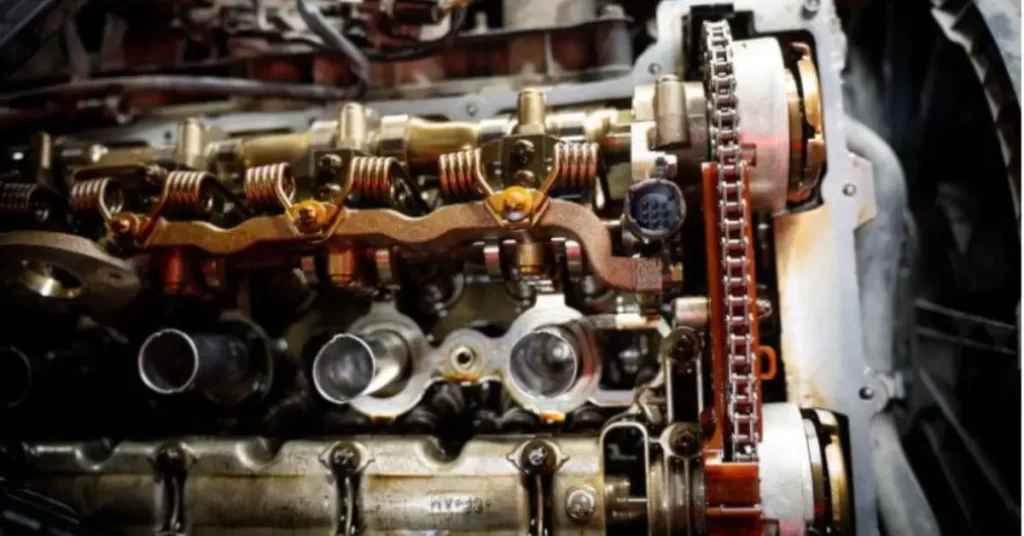
The head gasket seals the engine block and keeps oil, coolant and combustion gases apart. A leaking gasket can push gas from the cylinder into the cooling system. This raises the pressure and forces coolant out, so the engine runs short of coolant and overheats.
A head gasket leak needs prompt repair to prevent further damage. A mechanic can confirm the leak with a cooling system pressure test first.
Worn Hoses
Heat and age make rubber hoses crack, split or go soft, and coolant then leaks out. The water pump has less coolant to move around, so the engine heats up quickly. Replace any hose that is cracked, brittle or soft.
Overworking the Engine
Towing heavy loads or climbing long hills in high heat puts extra stress on the engine. Stay within the limits in your owner's manual and take breaks on long, hard drives.
What Are the Warning Signs of an Overheating Engine?
Spotting the signs early gives you time to stop before serious damage happens. Watch for these warnings:
- Temperature gauge: The needle moves into the red zone, which means the engine is running hotter than it should.
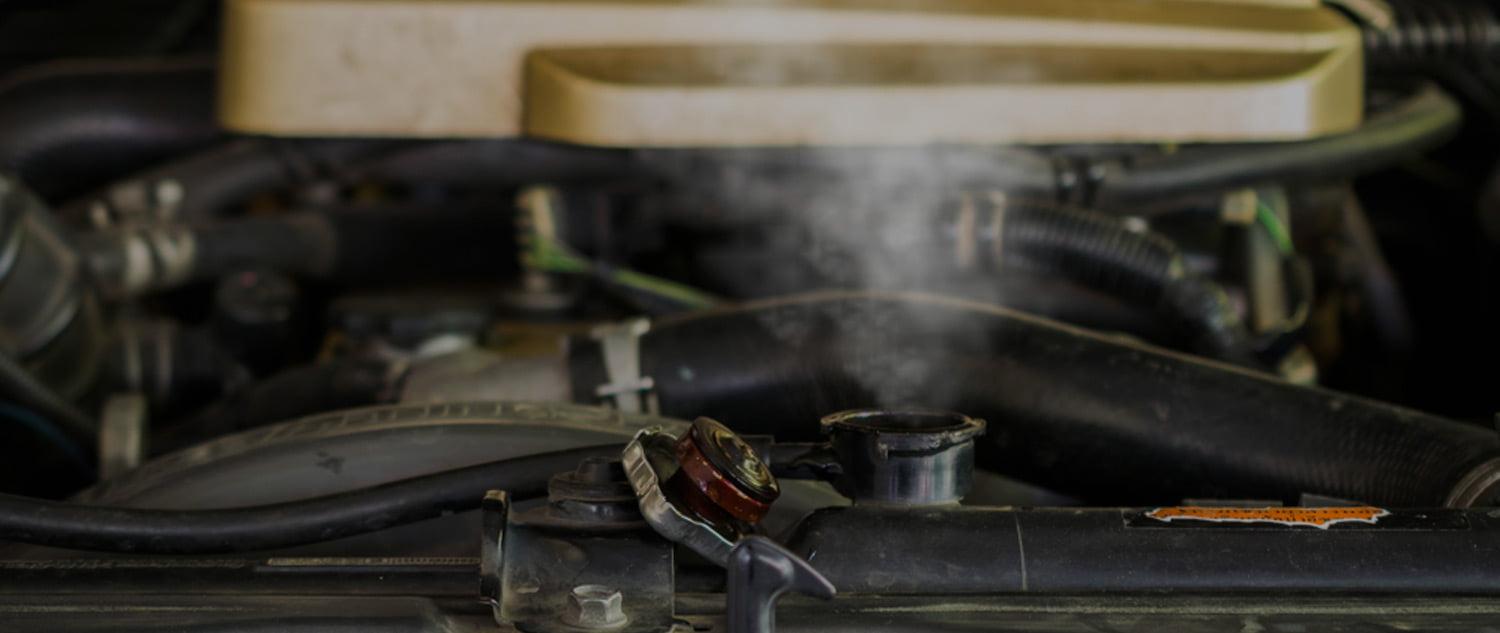
- Steam or a hot bonnet: Heat or steam rises from under the bonnet, so wait for the engine to cool first.
- Coolant leaks: Puddles under the car point to a damaged radiator, hose, water pump or gasket losing coolant.
- Burning smell: Hot parts start to burn the materials around them, so stop and switch off the engine straight away.
- Strange noises: Knocking, rattling or hissing from the engine bay can point to a cooling or engine fault.
What Should You Do When Your Engine Overheats?
Act quickly when the temperature gauge climbs into the red. Toyota's owner's manuals say to stop in a safe place and turn off the air conditioning. Switch on your hazard lights so other drivers can see you. Check for steam from under the bonnet. If you see steam, switch off the engine and wait for it to clear before lifting the bonnet.
Do not open the radiator or coolant tank cap while the engine is hot, because the coolant is under pressure. Once the engine has cooled, check the coolant level and look for leaks. Top up only with the coolant type named in your owner's manual. Never pour cold water into a hot engine, as this can damage the engine. Plain water is an emergency stopgap only, so have the system refilled with proper coolant soon after. Driving on with too little coolant can ruin an engine, as our guide on driving a car without coolant explains. At our workshop, most overheating repairs take 2 to 4 hours, depending on the problem.
How Can You Prevent Engine Overheating?
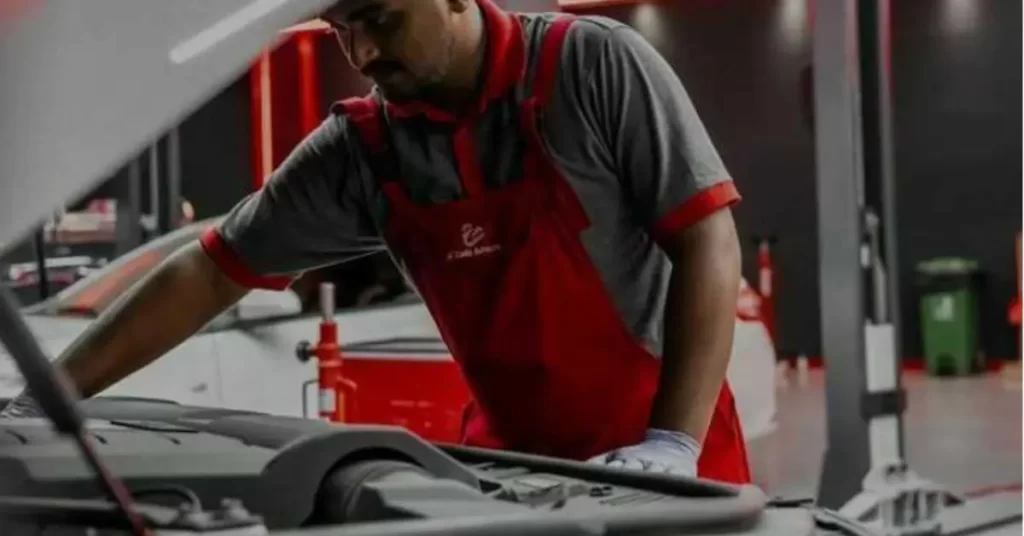
A few simple habits keep the cooling system healthy and help you avoid costly repairs:
- Check the coolant: Look at the coolant level every few weeks with the engine cold, and top up when needed.
- Inspect the radiator: Look for leaks, damage or rust, and have the radiator repaired or replaced when it fails.
- Test the fan: Make sure the radiator fan switches on and that its blades are clean and free of debris.
- Change the oil: Follow the recommended oil change intervals so fresh oil keeps absorbing heat and reducing friction.
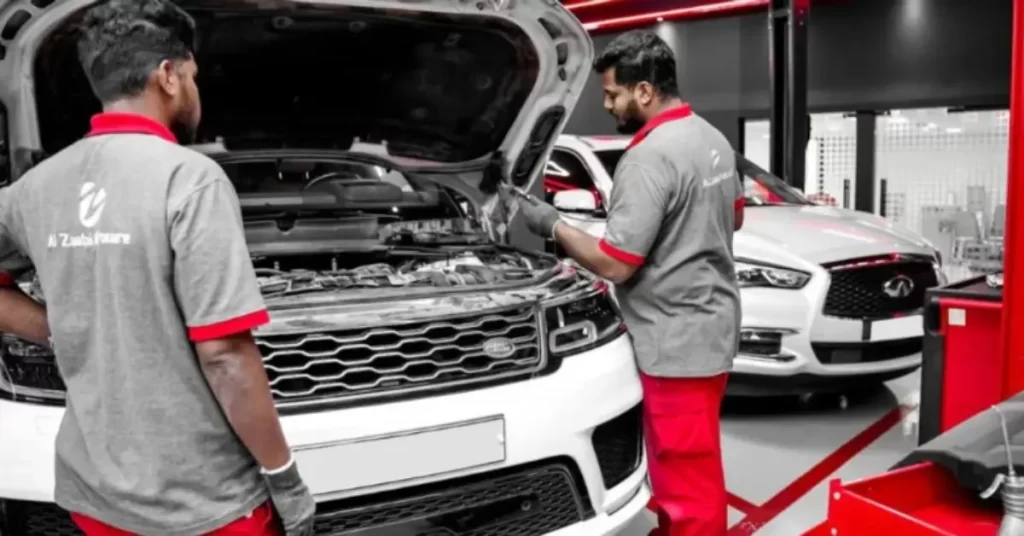
- Service the car: Regular servicing lets a mechanic find worn hoses, a weak thermostat or small leaks early.
Frequently Asked Questions
How long does it take to fix an overheating engine?
Most overheating repairs at our workshop take 2 to 4 hours, depending on the cause. A new thermostat or hose is usually quicker than head gasket work. We find the exact fault before starting.
Can I keep driving if my temperature gauge is in the red?
No, you should stop in a safe place as soon as you can. Driving on with an overheating engine can warp parts and ruin the engine. Let it cool before checking anything under the bonnet.
Why does my car overheat only in traffic?
A car that overheats only in traffic often has a radiator fan fault. At low speed, the fan must pull air through the radiator. A failed fan motor, relay or fuse stops that airflow.
Is it safe to open the radiator cap when the engine is hot?
No, never open the radiator or coolant tank cap on a hot engine. The coolant is under pressure and can spray out and burn you. Wait until the engine has fully cooled.
Conclusion
Engine overheating usually starts with a small fault, such as low coolant, a stuck thermostat or a worn hose. Watch the gauge, check coolant and oil often, and fix leaks early, especially in the UAE summer. If your engine keeps running hot, book a check with our car overheating repair team in Mussafah.
Car Overheating Repair at Al Zaabi Autocare
Overheating has several causes: a failed thermostat, a blocked radiator, a weak water pump or a head gasket. We test the whole cooling system rather than replacing parts one at a time.
- Full cooling system diagnosis
- Thermostat and water pump replacement
- Radiator and fan repair
- Head gasket testing
Other A/C and cooling Guides
Think this is what your car is doing?
Bring it in and we will tell you. Free 360-degree health check and a written quote before any work starts.
- Where we are
- Plot no 69, Mussafah M-37, Abu Dhabi, UAE
- Opening hours
- Mon to Sat 9:00 AM to 10:00 PM
Sunday 9:00 AM to 7:00 PM