

How to Repair Car Alternator- DIY Maintenance
Alternators are primarily used to maintain batteries. To keep the battery fully charged, it generates electricity from the engine's power and sends it to the battery.

8 July 20265 minute readAll 150 guides
Alternators are primarily used to maintain batteries. To keep the battery fully charged, it generates electricity from the engine's power and sends it to the battery. The engine drive belt transfers engine power to the alternator. If it doesn't work properly, it can cause an engine overheating. Therefore, it is essential to keep the belt tight and replace/repair it when necessary.
The alternator is an easy device to repair, which means you'll have no trouble doing it yourself if you're tight on cash. Despite slight differences in construction, alternators have similar basic anatomy. You will find instructions in this guide on how to repair a car alternator.
You may also like to read our blog Fuel Saving Tips in UAE.
Components of Alternator
1. Rotor
The rotor's job is to create a magnetic field. The amount of current flowing through the conductor on the rotor determines the strength of the magnetic field.
2. the Rectifier
A car requires a DC voltage. A rectifier is essentially an array of several diodes that only permit current to flow in one direction. These diodes can be used to change the generated AC voltage into a DC voltage. Then, the DC voltage supplies the car's electrical system.
3. the Stator Winding
The stator winding generates an AC voltage as soon as the rotor begins to rotate. However, a rectifier is required because a car can only run on DC electricity.
4. the Regulator
This device regulates the rotor's current. Furthermore, the controller bears the responsibility of overseeing and managing the battery's charging procedure. In order for the installed parts of the car to function, the controller also regulates the amount of energy they receive.
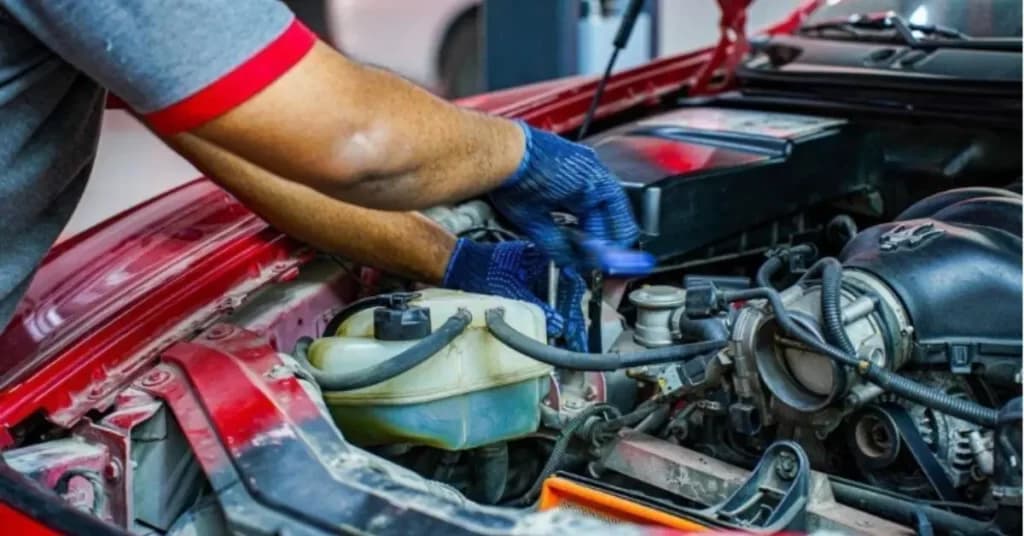
Step by Step Procedure on How to Repair Car Alternator
1. Disconnect the Battery
On your alternator, there may be several wires or only one, but one of them is hot. Without removing the battery, you will almost certainly ground a live wire during the process. It causes all kinds of bad things to happen, including a quite shocking experience.
2. Locate the Alternator
Vehicles will have their alternators either on the front or side of the engine, depending on their type. If you need to access the alternator from under the car, you will generally need jack stands, wheel chocks, and a hydraulic jack.
3. Loosen the Serpentine Belt
A belt tensioner tool can be used to loosen the serpentine belt by springing back the belt tensioner. You'll have to reroute the belt around all of the engine's pulleys once we disconnect the belt from the other components. Review your vehicle's belt-routing diagram.
4. Remove the Old Regulator and Brushes
Make sure to remove the old brushes and the old regular ones. Compare the lengths of the old and new brushes when removing the brushes.
Inspect the wiring instructions that come with the upgrade/repair kit and install the new regulator. Reconnect the wiring and refit the bolts, then tighten them. The wiring should be double-checked against the previous photos and the instructions that came with the kit.
5. Match It Up
We must install a pulley on the new alternator, and it must match the old one. We need to replace any components that were removed earlier. Install the mounting bolts and nuts loosely after aligning the working alternator mounting holes.
- Avoid putting too much more electricity into your automobile than is necessary since this can reduce the alternator and battery life.
- As soon as possible, fix the damaged alternator component to prevent further damage to other parts. For instance, if there has been an overcharge, examine the rectifier, IC, and diode to see whether they are weak or broken; if so, replace them with new ones.
- Examine the electric charging wire that runs from the alternator to the vehicle's battery. It is prone to rusting from moisture and dirt, which makes the cable fragile and prone to corrosion.
Conclusion
It ultimately depends on your skill level, available time, and comfort level with car repairs, whether you replace the alternator yourself or hire a professional. If you have experience with car maintenance and the necessary tools and are willing to spend time researching, you may consider DIY alternator repair as an economic and educational choice. You are better off relying on professionals if you are unfamiliar with car repairs or prefer a faster and more reliable solution.
We are pleased to examine your alternator's state at Al Zaabi Autocare and assist you in determining whether to replace or repair it. In order to assist you in making an informed choice and get your car back on the road as soon as possible, our car electrical services by experts are available. Call us today to make an appointment at +971 50 669 7282.
FAQs
What is the lifespan of alternators?
There is no set length of time that an alternator should endure; instead, it depends on a number of variables, such as the alternator's quality, your car's general condition, and the amount of power it must produce. The alternator should last between 80,000 and 150,000 kilometers on average.
How Much Time Is Needed to Replace an Alternator?
You can replace an alternator on your own in around two hours on average. However, this will depend on your level of experience with auto repair. The alternator replacement process may take longer if you bring your car to a shop, and you could have to leave the car for the entire day.
Can You Drive with a Bad Alternator?
You might occasionally be forced to travel a short distance with a broken alternator out of concern for your safety. A failed alternator, unlike overheating, won't destroy your engine or have disastrous effects unless it occurs at the worst possible time, such as on an interstate highway without a breakdown lane.
What Are the Symptoms of a Bad Alternator?
There are a few indicators that it could be time to install a new alternator. If you're fortunate, you can identify it before it leaves you for dead. In addition to slow engine performance or stumbling owing to the spark plugs' lack of electrical system energy, you might notice low voltage on the instrument panel.
Does an alternator require power to function?
Your car's alternator actually produces power for it. Through the formation of electromagnetic between the stator and rotor, alternators generate AC power. The battery receives the electricity and uses it to generate voltage to power the different electrical systems.
Auto Electrical Repair at Al Zaabi Autocare
Modern cars are as much electronics as engineering. We trace wiring faults, battery drains and module errors with proper diagnostic equipment instead of swapping parts until the light goes out.
- Full computer diagnostic scan
- Wiring and loom repair
- Parasitic battery drain testing
- Alternator and starter motor repair
Other Electrical Guides
Think this is what your car is doing?
Bring it in and we will tell you. Free 360-degree health check and a written quote before any work starts.
- Where we are
- Plot no 69, Mussafah M-37, Abu Dhabi, UAE
- Opening hours
- Mon to Sat 9:00 AM to 10:00 PM
Sunday 9:00 AM to 7:00 PM