
Classic Car Restoration in UAE: What You Need to Know
Classic cars have a charm that modern cars cannot easily match. From their original body shape to their engine sound and classic interiors, every detail tells a story.
10 November 202610 minute readAll 125 guides
Classic cars have a charm that modern cars cannot easily match. From their original body shape to their engine sound and classic interiors, every detail tells a story. However, keeping an old car in good condition takes more than regular cleaning and basic repairs.
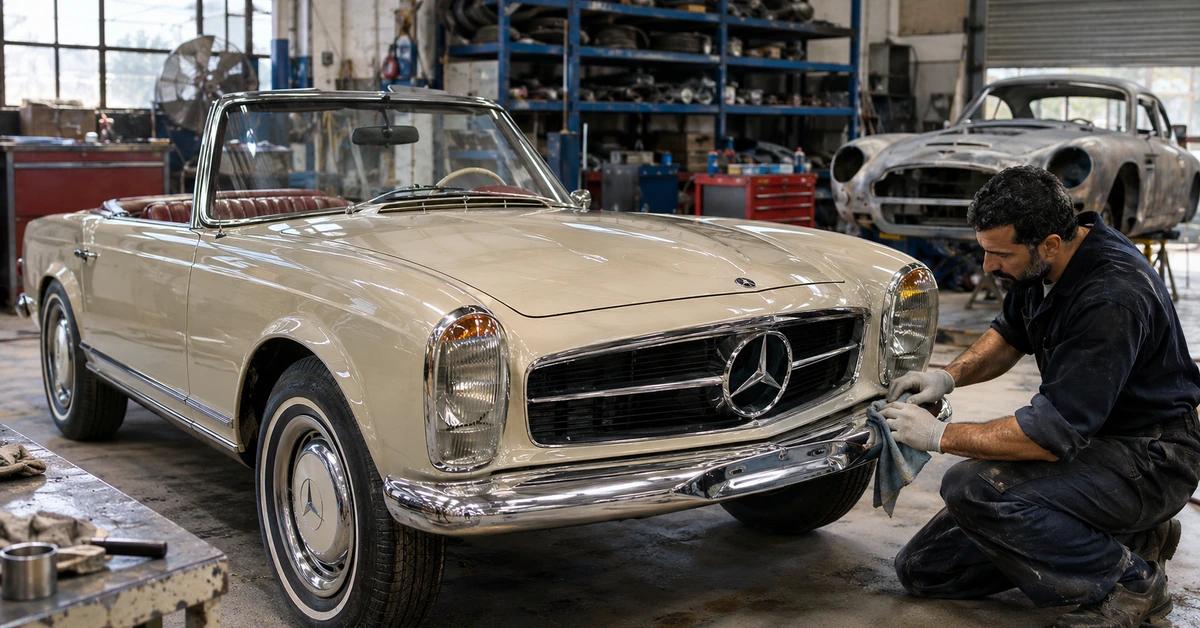
Classic car restoration in the UAE brings an old car back to good working condition while preserving its original design and features. The process may include engine repairs, bodywork, paint restoration, electrical repairs, and interior upgrades.
The UAE's hot weather, dust, and strong sunlight can make this work more challenging. Understanding the restoration process, costs, common problems, and local rules can help you make the right decisions before starting your project.
What Is Classic Car Restoration?
Classic car restoration is the process of repairing and rebuilding an old car to bring it back to its original condition or make it safe and reliable for regular use. It involves checking different parts of the car and fixing damage caused by age, wear, and poor maintenance.
The work can include rebuilding the engine, repairing rust, replacing damaged interior materials, and restoring the original paint.
Some owners want every part to match the factory design, while others prefer adding modern features such as better brakes, air conditioning, and improved electrical systems. The right approach depends on the car's condition and your personal goals.
Why Do Classic Cars Need Restoration?
Classic cars need special care because their parts become weak or damaged over time. Rubber seals can crack, metal parts can rust, wiring can become unsafe, and engine components can wear out.
Even a car that has spent years in storage may have problems with its fuel system, brakes, and cooling system. In the UAE, high temperatures and dust can make these problems worse. Long exposure to sunlight can damage the dashboard, paint, rubber parts, and leather seats.
Dust can enter the air intake and other openings, while heat can affect engine performance. Restoration helps repair these problems and makes the car safer and more reliable.
What Are the Main Types of Classic Car Restoration?
Before starting work, decide how much of the car needs to be restored. Not every old car needs a complete rebuild. The right restoration method depends on its condition, original parts, and how you plan to use it.
Original Restoration
Original restoration focuses on bringing the car as close as possible to its factory condition. This includes using the correct paint colour, interior materials, engine parts, wheels, and other original features. Collectors often prefer this method because it helps protect the car's history and original design.
Finding original parts can take time, especially for rare models. Some parts may need to be sourced from other countries or made to match the original specifications.
Restomod Restoration
Restomod combines the classic look of an old car with selected modern upgrades. The original body style is usually kept, but some mechanical and electrical parts are improved.
Common upgrades include:
- Modern air conditioning systems
- Electronic fuel injection
- Improved braking systems
- Power steering
- Modern suspension components
- Updated lighting and electrical systems
This option is useful for owners who want to enjoy a classic car with better comfort and road performance.
Partial Restoration
Partial restoration focuses on repairing specific areas instead of rebuilding the entire car. For example, an owner may only need engine repairs, a new paint job, interior work, or suspension replacement.
This approach can be suitable when the car is in generally good condition but has a few damaged or worn parts.
What Is the Step-by-Step Process of Restoring a Classic Car?
A proper restoration follows a planned process. Each stage needs attention because a problem with one part can affect the performance and safety of the entire car.
Step 1: Initial Inspection
The first step is to inspect the car from top to bottom. A mechanic checks the engine, transmission, chassis, suspension, brakes, tyres, and electrical system. The inspection also looks for rust, previous accident damage, and signs of poor repairs.
A compression test can help check the condition of the engine cylinders. A diagnostic check, where supported, can help identify electrical or engine-related faults. After the inspection, prepare a list of repairs and replacement parts.
Step 2: Disassembly and Cleaning
Once the inspection is complete, the car may need to be taken apart. This can include removing the seats, dashboard, doors, engine, gearbox, and exterior panels.
Each part should be labelled and stored properly to avoid confusion during reassembly. The removed components are cleaned and checked for damage. This stage helps mechanics find hidden problems that may not be visible during the first inspection.
Step 3: Engine and Mechanical Repairs
The engine and other mechanical parts need to be repaired before the car is ready for the road. Depending on their condition, the work may include replacing piston rings, gaskets, bearings, seals, and timing components.
The transmission, clutch, cooling system, and fuel system should also be checked. Mechanics may perform a compression test, inspect oil pressure, and check for coolant or fuel leaks. The aim is to make sure the engine runs smoothly and the car performs safely.
Step 4: Bodywork and Paint Restoration
The bodywork stage focuses on repairing dents, rust, damaged panels, and weak metal sections. Rusted areas may need to be cut out and replaced with new metal to protect the strength of the body.
After repairs, the surface is prepared through sanding, filling, and priming. The car is then painted with the selected colour. If originality is important, the paint code and finish should match the factory specifications as closely as possible.
Step 5: Interior Restoration
Old seats, carpets, door panels and dashboards can become damaged after years of use. Interior restoration includes repairing or replacing these parts while keeping the original design where possible.
Leather seats may need cleaning, repair, or new upholstery. The dashboard can require crack repairs, while old carpets and roof lining may need replacement. Good-quality materials help improve comfort and give the cabin a clean finish.
Step 6: Reassembly and Final Testing
After the main repairs are complete, all parts are fitted back into the car. The mechanic checks the wiring, lights, engine connections, brakes, suspension, and other systems.
The car should then go through road testing under safe conditions. This helps identify unusual sounds, vibrations, fluid leaks, and handling problems. Any remaining issues should be fixed before the restoration is considered complete.
How Does UAE Weather Affect Classic Cars?
The UAE's weather creates several challenges for older cars. Summer temperatures can rise above 40°C, and vehicles parked outside for long periods are exposed to strong sunlight and heat. These conditions can damage several parts of a classic car.
The most common weather-related problems include:
- Paint damage: Strong UV rays can fade paint and damage its clear coat.
- Dashboard cracks: High cabin temperatures can make old plastic and vinyl surfaces weak.
- Rubber damage: Seals, hoses, and tyres can become hard or cracked.
- Cooling system problems: Old radiators, water pumps, and hoses may struggle to manage engine heat.
- Battery wear: High temperatures can shorten battery life.
- Dust buildup: Fine sand and dust can collect in air filters, engine parts and electrical connections.
Keeping the car in a covered and well-ventilated garage can help reduce these problems. Regular cleaning, checking rubber parts, and maintaining the cooling system are important for long-term protection.
How Much Does Classic Car Restoration Cost in UAE?
The cost of restoring a classic car depends on its age, model, condition, and the amount of work required. A car with a healthy engine and minor body damage will usually need less work than one that has been sitting unused for many years.
The main factors that affect the total cost include:
- Engine condition: A basic repair costs less than a complete engine rebuild.
- Body damage: Rust removal, metal replacement, and accident repairs can increase labour costs.
- Paintwork: A full paint job requires more preparation and materials than small paint repairs.
- Spare parts: Rare or imported parts may cost more and take longer to find.
- Interior work: Original leather, seat covers, and dashboard parts can be expensive.
- Electrical repairs: Old wiring systems may need major repairs or replacement.
It is best to get a full inspection and written estimate before starting. Keep some extra money aside for hidden problems that may appear after the car is taken apart.
What Should You Check Before Buying a Classic Car for Restoration?
Buying the right car can save you time and money. A low purchase price does not always mean a good deal, especially if the car has serious mechanical or structural damage.
Before buying, check the following:
- Chassis condition: Look for rust, cracks, and signs of previous accident repairs.
- Engine condition: Check for unusual sounds, oil leaks, and signs of overheating.
- Transmission: Test gear changes and look for fluid leaks.
- Original parts: Check whether important factory parts are still available.
- Vehicle history: Ask about previous repairs, ownership, and maintenance records.
- Paperwork: Check ownership documents and confirm that the car can be registered.
If possible, get a professional mechanic to inspect the car before making a payment. This can help you understand the actual repair work needed.
How to Choose the Right Workshop for Classic Car Restoration?
Choosing an experienced workshop is one of the most important parts of the restoration process. Classic cars often have older mechanical systems and unique parts that need careful handling. A general repair may not be enough if the mechanic does not understand the car's design.
Before selecting a workshop, check its experience with older car models and ask about the types of restoration work it handles. It is useful to look at previous projects, customer reviews, and the quality of completed repairs.
You should also ask for a clear repair plan, estimated costs, and details about replacement parts. A good workshop will explain which parts can be repaired and which ones need replacement. It should also keep you updated as the work moves forward.
How to Maintain a Classic Car After Restoration?
Completing the restoration is only the beginning. A classic car needs regular maintenance to keep its engine, body, and interior in good condition. Even if the car is not driven every day, its parts can still wear out or become damaged during storage.
Follow these maintenance tips:
- Change engine oil and filters according to the recommended service schedule.
- Check coolant levels, radiator hoses, and the cooling system.
- Inspect brake pads, brake fluid, and brake lines regularly.
- Keep the battery charged and check its condition.
- Check tyre pressure and look for cracks or uneven wear.
- Clean the car regularly to remove dust and dirt.
- Protect the paint and interior from direct sunlight.
- Start and move the car regularly when it is safe to do so.
- Check for oil, fuel, and coolant leaks.
A regular maintenance schedule helps you find small problems before they turn into expensive repairs.
Conclusion
Classic car restoration in the UAE requires careful planning, the right parts, and skilled repair work. From engine rebuilding and body repairs to paintwork and interior upgrades, every stage plays an important role in bringing an old car back to life. The UAE's heat, sunlight and dust make regular care even more important.
Before starting, inspect the car, decide between original restoration and modern upgrades, and prepare a realistic budget. Make sure the brakes, tyres, lights and engine meet the required safety standards before driving. With proper repairs and regular maintenance, a classic car can remain in good condition for many years.
If your classic car needs mechanical repairs, engine work, suspension service, brake repairs, or other maintenance, contact Al Zaabi Autocare. Get your car inspected by experienced mechanics and take the right steps to keep it running smoothly.
Classic Car Restoration at Al Zaabi Autocare
Restoration work is quoted in stages so you stay in control of the budget. Mechanical, body, paint and trim work are all handled in-house, which keeps the car in one place from start to finish.
- Full and partial restoration
- Bodywork, rust repair and repaint
- Engine and drivetrain rebuild
- Interior and trim restoration
Other Car care Guides
Think this is what your car is doing?
Bring it in and we will tell you. Free 360-degree health check and a written quote before any work starts.
- Where we are
- Plot no 69, Mussafah M-37, Abu Dhabi, UAE
- Opening hours
- Mon to Sat 9:00 AM to 10:00 PM
Sunday 9:00 AM to 7:00 PM