
Premium Brake Caliper Paint Services: Performance Aesthetics & Thermal Protection
Aggressive, huge open-spoke rims on exotic supercars and high-end SUVs cruising through Dubai and Abu Dhabi reveal the vehicle's braking design in plain sight.
29 June 20266 minute readAll 151 guides
Introduction
Aggressive, huge open-spoke rims on exotic supercars and high-end SUVs cruising through Dubai and Abu Dhabi reveal the vehicle's braking design in plain sight. This is a high-visibility area that requires meticulous attention to detail, since ugly, rusty or fading calipers may quickly ruin the appearance of a premium car. For high-speed deceleration cycles, premium brake caliper paint must be able to endure the severe kinetic energy conversion without bubbling or deteriorating and have a minimum temperature rating of 500°C.
Why DIY Caliper Paint Fails in Extreme Braking & GCC Thermal Conditions?
Brake Caliper Paint is a specialised high temperature coating used to protect brake components from excessive heat cycling and provide strong chemical resistance to corrosive hydraulic fluids. The engineer's defensive layer uses cross-linking polymer chemistry to attach at a molecular level to cast iron or aluminium housings to ensure structural colour brilliance and rust protection under extreme working circumstances.
The Physics of the Stopping Power: Control of the Kinetic Heat Transfer from Rotors to Calipers
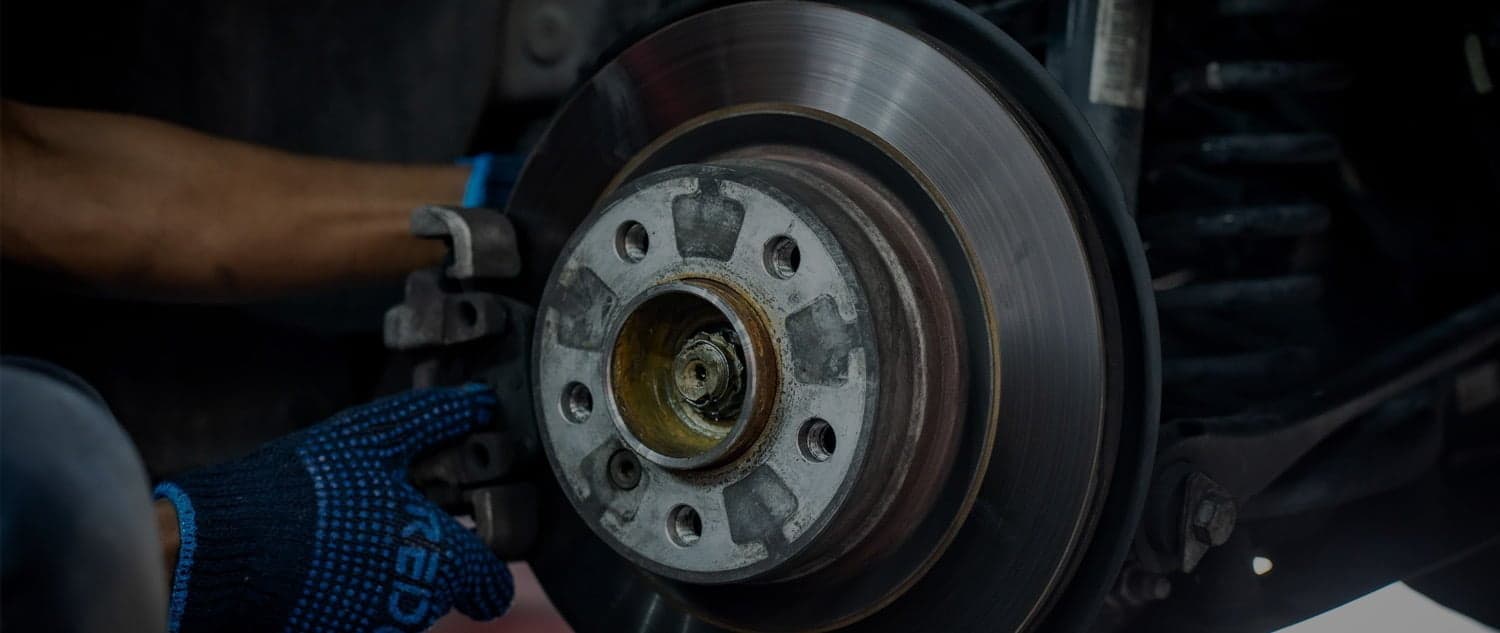
It is friction 100 % that stops a two ton car from high speeds on the highway. The spinning rotors get clamped down by the brake pads. This converts kinetic energy to high heat energy in a flash. This tremendous heat is swiftly transferred straight from the brake rotors into the caliper housing and the internal hydraulic fluid. Without a professional thermal barrier coating, this tremendous heat builds up quickly within the braking components, speeding wear and increasing the risk of hazardous brake fade during furious driving.
Delamination and Blistering: Conventional Enamels Cannot Withstand 500°C Friction Cycles
Many car owners seek to utilize conventional automotive retail spray paint to quickly enhance their vehicle's appearance. Unfortunately, this decision soon proves to be a poor one, since simple hardware enamels do not have the chemical cross-linking structure to cope with high temperature rises. Standard paints lose adhesion at strong 500°C friction cycles, causing quick blistering, discoloration and unsightly delamination. The deteriorating paint coating subsequently starts to flake into the brake pad assemblies, polluting the friction surfaces and lowering the effectiveness of stopping.
Choosing the Material Grade: Spray-on Aero Aerosols Versus Multi-Component Epoxy Systems
The only way to achieve long-lasting durability is to have a complete awareness of the chemical grades accessible to the car refinishing business. Cheap, off-the-shelf, single-component acrylic aerosols are very prone to chemical failure. These retail choices do not have a designated hardening agent and are thus inherently porous and unstable. During a normal brake pad replacement, a technician accidently drops glycol-based DOT 4 or DOT 5.1 brake fluid on an acrylic-painted surface, and the paint layer rapidly melts, streaks and peels off.
Professional automotive caliper paint is based on two-component polyurethane coatings or modern ceramic filled multi-component epoxy systems. A specific chemical hardener is combined with the basic resin to create an exothermic reaction that changes the chemical structure. This technique results in a solid, non-porous polymer matrix that has exceptional chemical resistance to corrosive fluids.
This professional 2-part epoxy coating is also an ultimate anti-corrosion barrier. In the UAE, automobiles are always exposed to high humidity, fine desert sand dust and coastal air. The quality ceramic-infused coating is fully sealed against the bare metal, preventing moisture and tiny road dust from structurally oxidizing your braking components.
Precision Regional Application: Sourcing Protocols for Elite Brake Caliper Paint Abu Dhabi
The use of high performance caliper paint in Abu Dhabi has its own issues and requires highly specific workshop processes. The coastal salinity factor along the Abu Dhabi Corniche causes high amounts of airborne salt particles that greatly speed up corrosion and oxidation on bare metal surfaces. When this coastal humidity combines with the severe friction heat of heavy freeway braking, inexpensive single-component coatings break down at more than double their typical pace.
Also, fine desert sand dust is a constant abrasive blasting medium while traveling at high speeds. This airborne dust rapidly dulls and pits soft, substandard paint levels and a glossy finish becomes a rough, faded surface in as little as a few months. When you have an exceptional regional specialist, your car gets a premium multi-stage cast that fights sand erosion and keeps that deep high-gloss shine for years.
The Technical Procedure: How to Properly Paint a Brake Caliper Like a Master Tech
A factory-quality, perfect caliper conversion takes a lot of mechanical prep. First, a master technician will choose between full assembly isolation or ultra-precision masking. Basic shops spray the parts while they are mounted to the automobile. True premium centres use absolute containment masking or detach the hydraulic lines carefully and paint each caliper individually. Vital rubber dust boots, slider pins and bleeder valves must be hermetically covered with high-temperature specialised tape since any stray paint that gets on these moving parts might lead to serious braking failure.
Then the metal surfaces are surface micro-textured widely. Technicians employ professional media blasting with aluminium oxide or glass bead, along with modern chemical degreasers, to effectively remove baked-on road dirt, sticky brake dust and old factory clear coatings. This blast procedure reveals the clean bare metal and provides a tiny texture profile providing the high temperature epoxy primer the optimal surface texture for maximum mechanical adherence.
Al Zaabi Autocare: Custom Car Looks Great
For premium customisation without compromise, Al Zaabi Autocare is the place for discriminating drivers around the UAE. More than just a cosmetic spray shop, the centre is a sophisticated restyling studio providing unique colour mixing to meet famous performance demands such as classic Brembo Red, AMG Burnt Copper and BMW M-Sport Blue.
The professionals at Al Zaabi Autocare use computerised stencils to apply designs that are robust against high heat. The images are baked into the caliper body physically and ensure the brand logos are correctly matched. The workshop employs modern IR thermal curing lights to ensure optimum life span. This is a sophisticated curing technique where heat is applied directly to the painted components in a targeted way to speed up the chemical cross-linking process and achieve the highest hardness and chemical resistance right before the vehicle ever leaves the factory.
Conclusion
Professional custom brake caliper painting is the best method to accent those high-end wheels and give important thermal protection to your sports car's braking system. For best results, don't use cheap DIY sprays. Instead, use modern two-part epoxy coatings that will protect your vehicle's calipers from extreme GCC heat, coastal salt oxidation and corrosive fluid spills. A durable, perfect finish demands specialist technical skill and accurate execution in a temperature controlled environment. Rest certain your supercar will have an exquisite, track-ready look that will make it stand out wherever in Dubai and Abu Dhabi with the qualified restyling master specialists at Al Zaabi Autocare.
FAQ (Frequently Asked Questions)
Q: What is the difference between regular automobile spray paint and specialty brake caliper paint?
A:Normal spray paint will deteriorate and blister above 150 degrees C and dissolve in brake fluid. Caliper paint, specialised Caliper paint is a two-part epoxy resin that can handle 500 degrees C heat cycles and is resistant to chemical damage.
Q: How long does it take to get expert brake caliper paint Abu Dhabi packages?
A: A professional multi-component application will take from 24 to 48 hours. This time range guarantees the correct multi-stage media blasting, precise masking, logo printing and complete infrared thermal curing cycles.
Q: Will painting my brake calipers damage their ability to dissipate heat or their mechanical stopping performance?
A: No. Professional grade ceramic infused matrices are designed with great thermal conductivity to enable kinetic energy dissipation to proceed regularly without trapping heat or affecting the mechanical stopping power of your car.
Q: Is premium two part epoxy vehicle caliper paint resistant to chemical peeling from brake fluid spills?
A: Yes. The chemical cross-linking that occurs in two-part epoxy systems generates a non-porous surface barrier that is entirely resistant to staining and chemical attack from harsh DOT 4 and DOT 5.1 hydraulic fluids.
Q: Does Al Zaabi Autocare give a guarantee for paint peeling or fading under track conditions?
A: Al Zaabi Autocare gives a complete guarantee on all workshop work against early fading of the colour, paint chipping, and delamination of the adhesive with proven long-lasting durability on the track.
Car Brake Service at Al Zaabi Autocare
We measure pad and disc thickness rather than guess, so you replace what is worn and keep what is not. Every brake job finishes with a road test and a brake fluid check.
- Brake pad and disc measurement
- Pad and disc replacement
- Caliper repair and replacement
- Brake fluid change and bleeding
Other Brakes Guides
Think this is what your car is doing?
Bring it in and we will tell you. Free 360-degree health check and a written quote before any work starts.
- Where we are
- Plot no 69, Mussafah M-37, Abu Dhabi, UAE
- Opening hours
- Mon to Sat 9:00 AM to 10:00 PM
Sunday 9:00 AM to 7:00 PM